The injectable treatment known as a skin booster focuses on skin layers for deep hydration, texture management, and enhanced elasticity. The injection process of skin boosters is designed to deliver hyaluronic acid and essential nutrients to the skin layers without creating facial volume.
During the treatment, support for collagen and moisture retention is maintained within the skin, which results in a supple and smooth appearance. Skin boosters are suitable for various skin types to address dryness, fine lines, and changes in skin texture. This approach focuses on moisture retention for improved long-term skin health. These in-clinic skin booster treatments are tailored to individual needs regarding skin tone and the appearance of the under-eye area while supporting skin elasticity.
Benefits of Skin Booster Treatments
The clinical benefits of skin booster injections extend beyond standard topical hydration. These treatments provide options for various skin concerns, making them a choice for those seeking to address skin quality over time.
Key aspects include:
Hydration
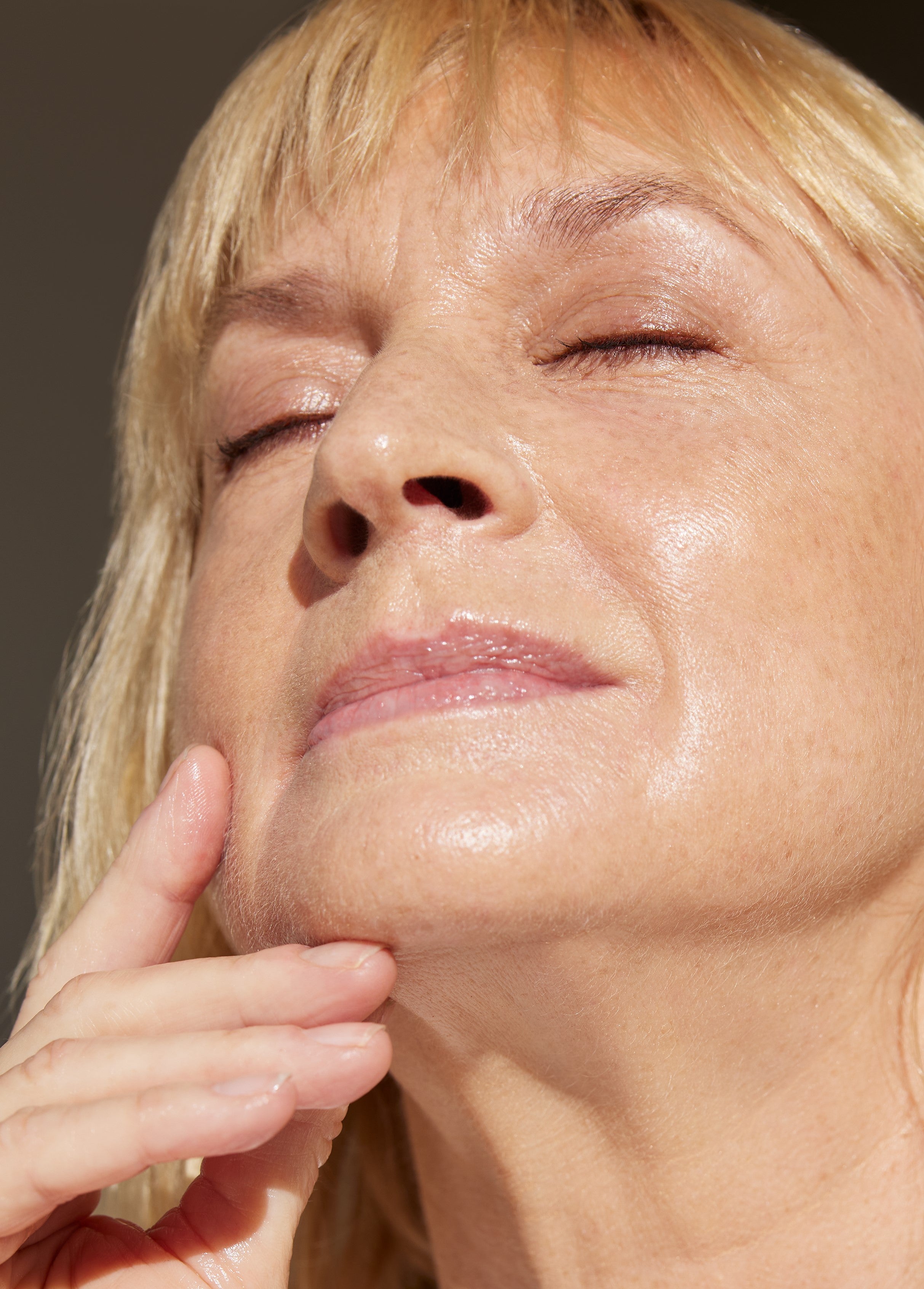
When hyaluronic acid reaches skin layers through skin boosters, it hydrates tissue to support a plump appearance.
Skin Elasticity
The mechanism of skin boosters supports skin elasticity and addresses the appearance of fine lines.
Skin Texture
This treatment approach focuses on skin texture to create a smooth surface and refined pores for a refreshed complexion.
Natural-Looking Results
Skin boosters differ from traditional fillers as they focus on skin quality while preserving your natural facial features.
Results Over Time
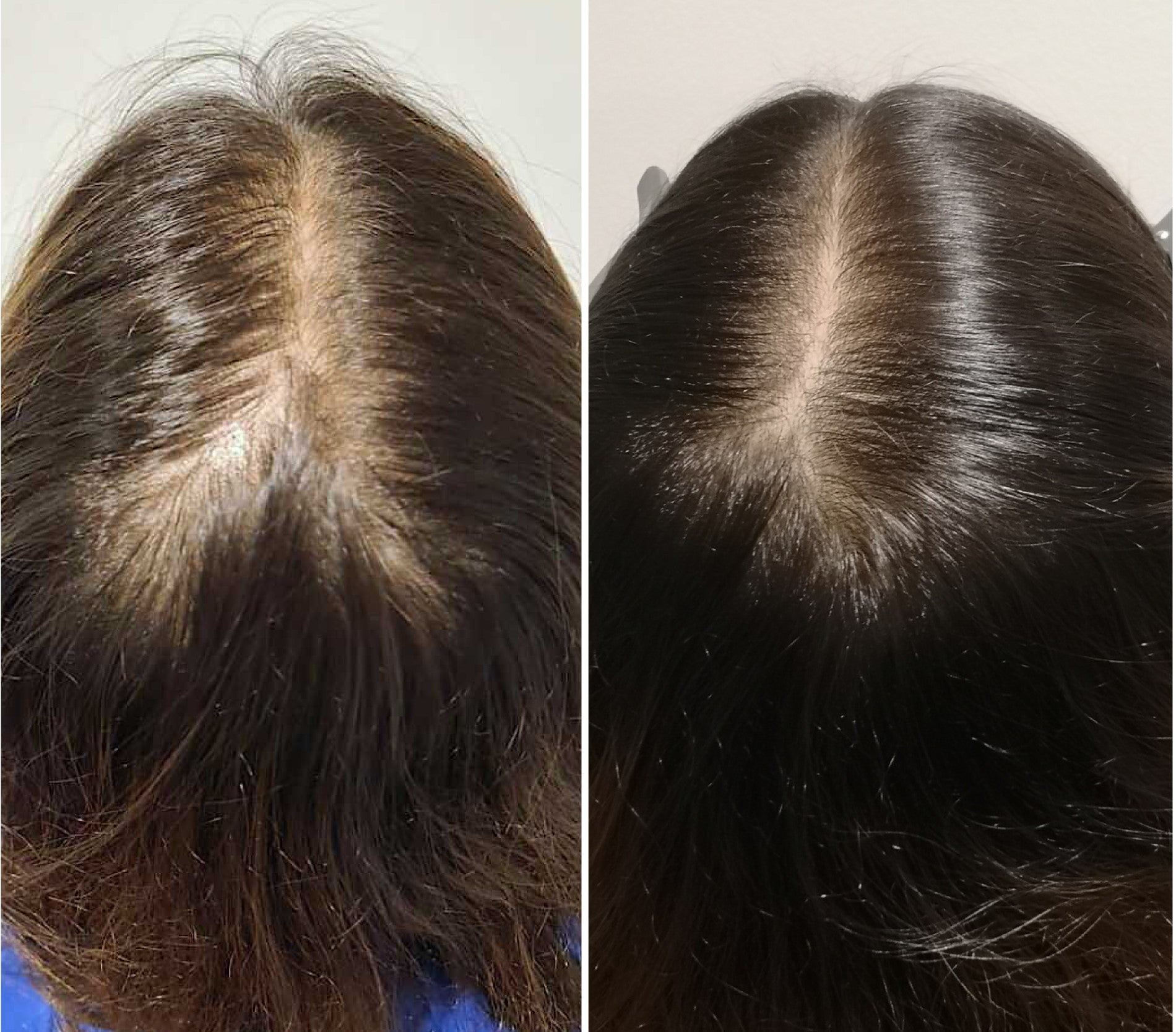
The effects gradually build up and can maintain their impact for several months; therefore, scheduled sessions allow patients to maintain these benefits.
Suitable for Multiple Areas
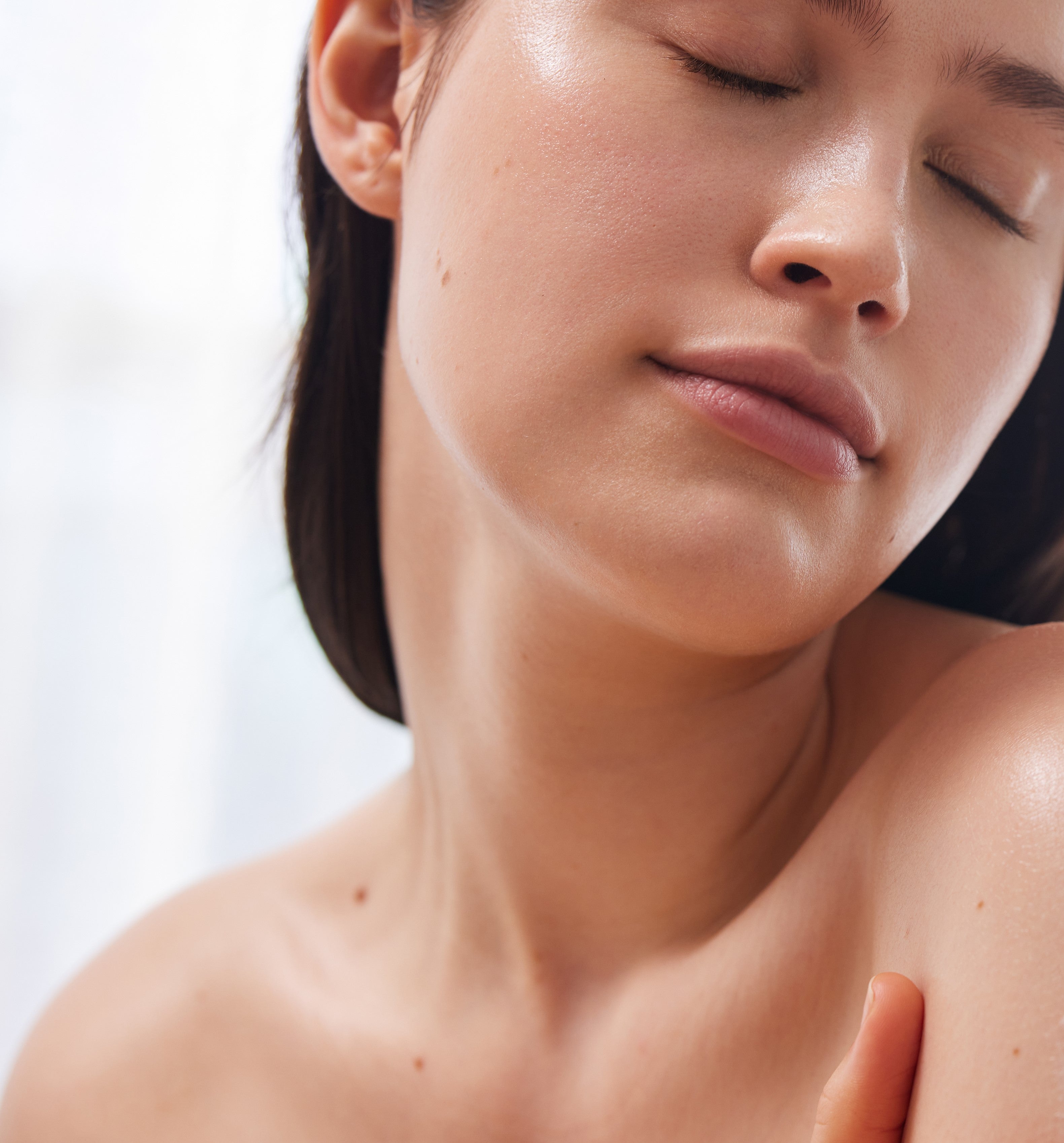
Skin boosters are commonly used throughout the face, neck, décolletage, and hands, providing a wide range of application areas for skin quality management.
Recovery and Aftercare
The recovery process for skin boosters typically occurs over a short period. Patients can usually resume regular activities shortly after the procedure, though individual experiences with discomfort and recovery time vary.
Suitable for Various Skin Types
This treatment is appropriate for multiple skin types as it provides hydrating support for various skin tones without significant irritation.
Areas of Concern Addressed with Skin Boosters
Skin boosters are a versatile procedure used to manage multiple skin-related concerns. They are used to address:
Fine lines and skin changes: Skin boosters address the appearance of fine lines and superficial skin changes.
Loss of elasticity: The skin may show enhanced resilience as a result of treatment with boosters.
Neck skin laxity: The treatment helps address horizontal lines that develop on the neck area.
Skin texture and marks: The skin regeneration process helps manage the visibility of minor skin variations and acne scarring.
Skin tone: Skin boosters support an even complexion by hydrating the skin, resulting in a smoother appearance without changing the skin's inherent structure.
Superficial pigmentation: The treatment can assist in managing the appearance of darker areas and sun-affected patches for a clearer look.
Structural support: Supporting the skin's natural components helps maintain skin fullness.
Priming the skin: This process can be used to manage hydration levels and prepare the skin for other treatments like microneedling.
Dehydrated skin: The treatment restores hydration to support lasting moisture retention.
Treatment Options
The cosmetic medicine industry offers various skin booster solutions for distinct skin concerns. Suitability for treatment is assessed during consultation to select the appropriate approach.
Commonly used options include:
Polynucleotide-based Boosters:
This treatment uses polynucleotides (PN) as an active ingredient. The formula aims to support skin tissue and promote a healthy skin environment.
Hyaluronic Acid-based Boosters:
This injectable solution focuses on skin hydration and texture. The treatment is often used for those concerned with dullness or fine facial lines.
Brightening Boosters:
The purpose of this booster is to address skin tone and the appearance of pigmentation to support a reflective skin quality.
Under Eye Skin Boosters:
These procedures focus on the under-eye area to address the appearance of dark circles, fine lines, and volume loss, offering hydration for a refreshed look.
How Skin Booster Injections Work
Skin booster injections involve fine needle applications that transfer hyaluronic acid and nutrients into the skin tissues. This method allows for hydration underneath the skin surface. While traditional skincare products work on the surface, skin boosters deliver hydration directly to the skin layers.
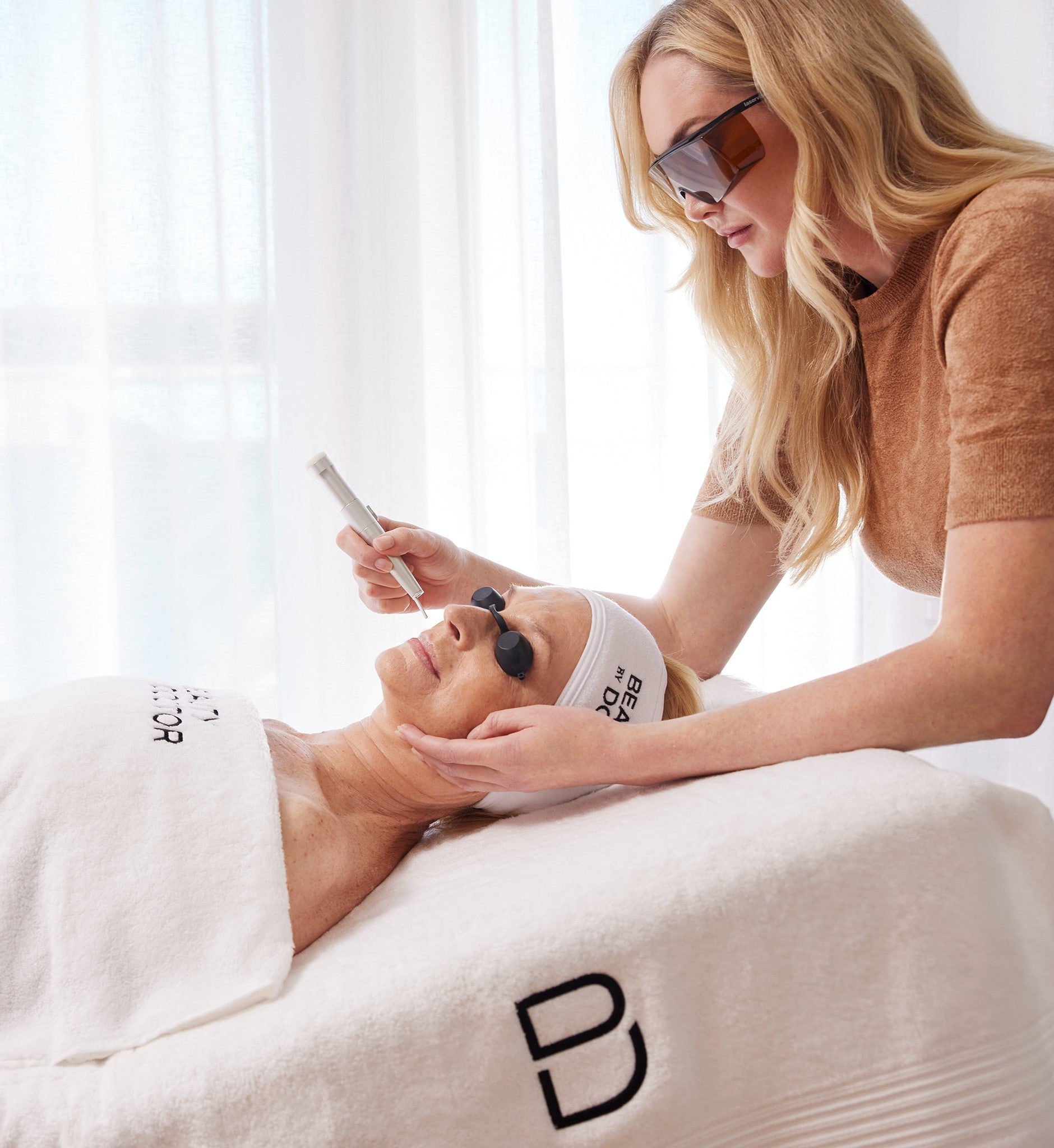
The procedure is performed in-clinic and involves a brief recovery time. While initial changes in skin hydration may be noticed shortly after treatment, the full effects regarding skin quality typically develop over several weeks.
What to Expect During a Skin Booster Treatment Session
The standard procedure for a skin booster involves minimal discomfort. Here is the typical process:
Consultation: A practitioner will evaluate your skin concerns and assess treatment suitability during a consultation.
Cleansing and Preparation: After cleaning, a topical numbing cream may be applied to the treatment area to assist with comfort during the procedure.
Injection Process: The skin booster is applied evenly through fine needles or cannulas.
Post-Treatment Care: Mild redness and temporary swelling can develop after treatment, which generally subsides within a few hours or days. The practitioner will supply aftercare directions to support your recovery.
Gradual Improvement: Over the following weeks, the skin continues to respond to the treatment as hydration levels and skin quality improve.
Difference Between Skin Boosters and Dermal Fillers
Skin boosters differ from dermal fillers in their objectives and ingredients. Skin boosters focus on hydration, elasticity, and skin quality, while dermal fillers are primarily used to add volume, reshape features, or address deep folds. While hyaluronic acid is a common component in both, the formulations are designed for different clinical outcomes.
As a general guide, dermal filler reviews often occur every 9-12 months, while skin booster sessions may be recommended every 6 months to maintain hydration and skin quality. Skin boosters focus on long-term skin health, while fillers provide volume.
Book Your Skin Booster Consultation
To discuss the potential benefits of skin boosters, contact Beauty by Doctor for a consultation. Our team will develop a personalised treatment plan based on an individual assessment to address your skin concerns.
Conclusion
Skin boosters provide targeted hydration to address skin texture and support the skin layers. Applying nutrients and hyaluronic acid helps manage elasticity and the appearance of fine lines. Treatment plans are customised to individual skin conditions and concerns. Skin boosters offer a clinical approach to managing facial skin quality, from tone enhancement to addressing fine lines and the under-eye area.
FAQs
What is a skin booster?
This injectable treatment delivers essential nutrients and hyaluronic acid to the skin to support hydration and texture.
How long do skin booster results last?
The duration of results typically ranges from four to six months. However, this period varies based on individual skin characteristics, lifestyle factors, and other treatments.
Are skin booster injections painful?
Discomfort varies between individuals. A numbing cream is typically applied to the area beforehand to manage the injection experience, which most patients find tolerable.
Can skin boosters be used under the eyes?
Under-eye skin boosters are used to address the appearance of dark circles, fine lines, and volume loss in the eye area.
Suitability for treatment is determined during consultation. All medical and cosmetic procedures carry risks, and outcomes vary between individuals. While complications are uncommon, it is important that potential risks, including rare adverse events, are understood. For more information, please refer to our Treatment Complications page: https://beautybydoctor.com/pages/concerns/treatment-complications