





Post-Inflammatory Hyperpigmentation (PIH)
Post-Inflammatory Hyperpigmentation (PIH)
Skin Concerns
A Guide to Post-Inflammatory Hyperpigmentation (PIH): Causes, Treatments, and Advanced Therapies
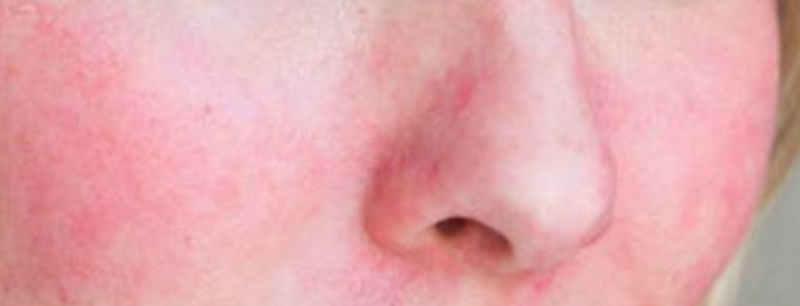
Post-inflammatory hyperpigmentation (PIH) is a skin condition characterised by darkened areas that can develop after inflammation or injury. PIH can affect any skin type, although it is often more noticeable and more persistent in individuals with darker skin tones. Located in Bondi Junction, Sydney's Eastern Suburbs, Beauty by Doctor provides assessment and management options for PIH under the guidance of Medical Director Dr Phoebe Jones. Treatment options may include Q-Switch laser, topical hydroquinone, sunscreen, and retinoic acid, depending on individual assessment.
Causes of Post-Inflammatory Hyperpigmentation (PIH)
Inflammatory skin conditions such as acne, eczema, and psoriasis can trigger increased melanin production and contribute to PIH.
Skin trauma, including cuts, burns, and abrasions, may lead to inflammation and excess pigment production during healing.
Allergic reactions to certain skincare products or medications can also contribute to inflammation and subsequent pigmentation changes.
Hormonal changes, including those associated with pregnancy or menstruation, may increase susceptibility to pigment changes in some individuals.
Impact of Post-Inflammatory Hyperpigmentation (PIH)
PIH may affect the appearance of the skin and can be a reason patients seek assessment and treatment. The extent and duration of PIH vary between individuals and depend on factors such as skin type, the underlying trigger, and sun exposure.
Treatment Options for Post-Inflammatory Hyperpigmentation (PIH)
Q-Switch Laser
Q-Switch laser may be used to target excess pigment as part of a broader treatment plan for selected patients. Suitability for laser treatment is determined during consultation.
Hydroquinone
Hydroquinone is a topical treatment that may be used to reduce melanin production in selected cases. It is typically prescribed and monitored as part of an individual treatment plan where appropriate.
Sunscreen
Daily sunscreen use is an important part of managing PIH and reducing the risk of further pigment darkening. Broad-spectrum sunscreen with SPF 30 or higher is generally recommended.
Retinoic Acid
Retinoic acid is a vitamin A derivative that supports skin cell turnover and may assist in the management of PIH in selected patients.
Advanced Therapies at Beauty by Doctor
Evaluation
Dr Phoebe Jones and her team perform a detailed assessment to identify contributing factors and determine which treatment options may be appropriate.
Laser Treatments
Our clinic uses Q-Switch laser technology as one of the available options for selected patients with pigmentation concerns.
Customised Plans
A personalised treatment plan is developed based on individual assessment, skin type, clinical history, and the underlying cause of pigmentation.
Comprehensive Care
Ongoing review and follow-up may be recommended to monitor response and adjust treatment where required.
Management of PIH often requires a consistent and individualised approach. If you are seeking assessment for post-inflammatory hyperpigmentation, you can book a consultation at our Bondi Junction clinic.
Disclaimer: Results may vary. Please consult a healthcare professional to determine the best treatment plan for your individual needs.
Suitability for treatment is determined during consultation. All medical and cosmetic procedures carry risks, and outcomes vary between individuals. While complications are uncommon, it is important that potential risks, including rare adverse events, are understood. For more information, please refer to our Treatment Complications page: https://beautybydoctor.com/pages/concerns/treatment-complications