



Post Pregnancy Hair Loss
Post Pregnancy Hair Loss
Hair Loss
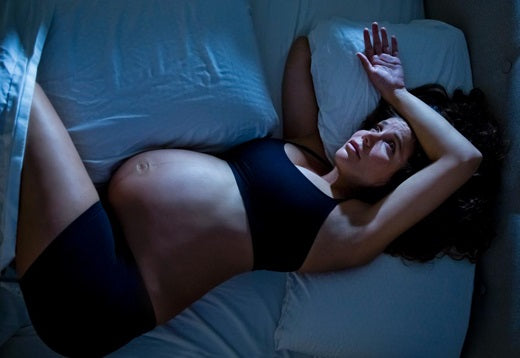
Post-Pregnancy Hair Restoration: Clinical Understanding and Management
Post-pregnancy hair shedding, also known as postpartum telogen effluvium, is a common physiological condition experienced by many women following childbirth. While often unexpected, this shift in the hair growth cycle is a documented response to hormonal changes.
Understanding Post-Pregnancy Hair Shedding
Post-pregnancy hair shedding typically refers to an increase in hair fall that occurs after giving birth, often becoming noticeable around 2-4 months postpartum. During pregnancy, elevated hormone levels extend the hair's growth phase, often leading to a temporary increase in hair thickness. After childbirth, these hormone levels decline, causing a larger number of hair follicles to enter the shedding (telogen) phase simultaneously. For those seeking management of post-pregnancy hair shedding in Australia, clinical options are available to address hair density and support the scalp environment during this transition.
Factors Contributing to Post-Childbirth Hair Shedding
Several physiological factors contribute to hair changes after childbirth:
Hormonal Shifts: Rapid fluctuations in estrogen and progesterone levels post-birth can disrupt the hair growth cycle, leading to increased shedding.
Nutritional Status: Levels of iron, zinc, vitamin D, and biotin may change during pregnancy and breastfeeding, which can affect hair follicle function.
Physical and Physiological Stress: The physical demands of childbirth, altered sleep patterns, and the postpartum period can impact the body's systems, including the hair growth cycle.
Thyroid Function: Postpartum thyroid changes can occasionally occur, which may further influence hair health.
Physiological Changes Observed
Understanding the processes behind post-childbirth hair shedding helps in developing an appropriate clinical approach:
Telogen Effluvium: A higher percentage of hair follicles shift into the resting phase at once, resulting in noticeable shedding.
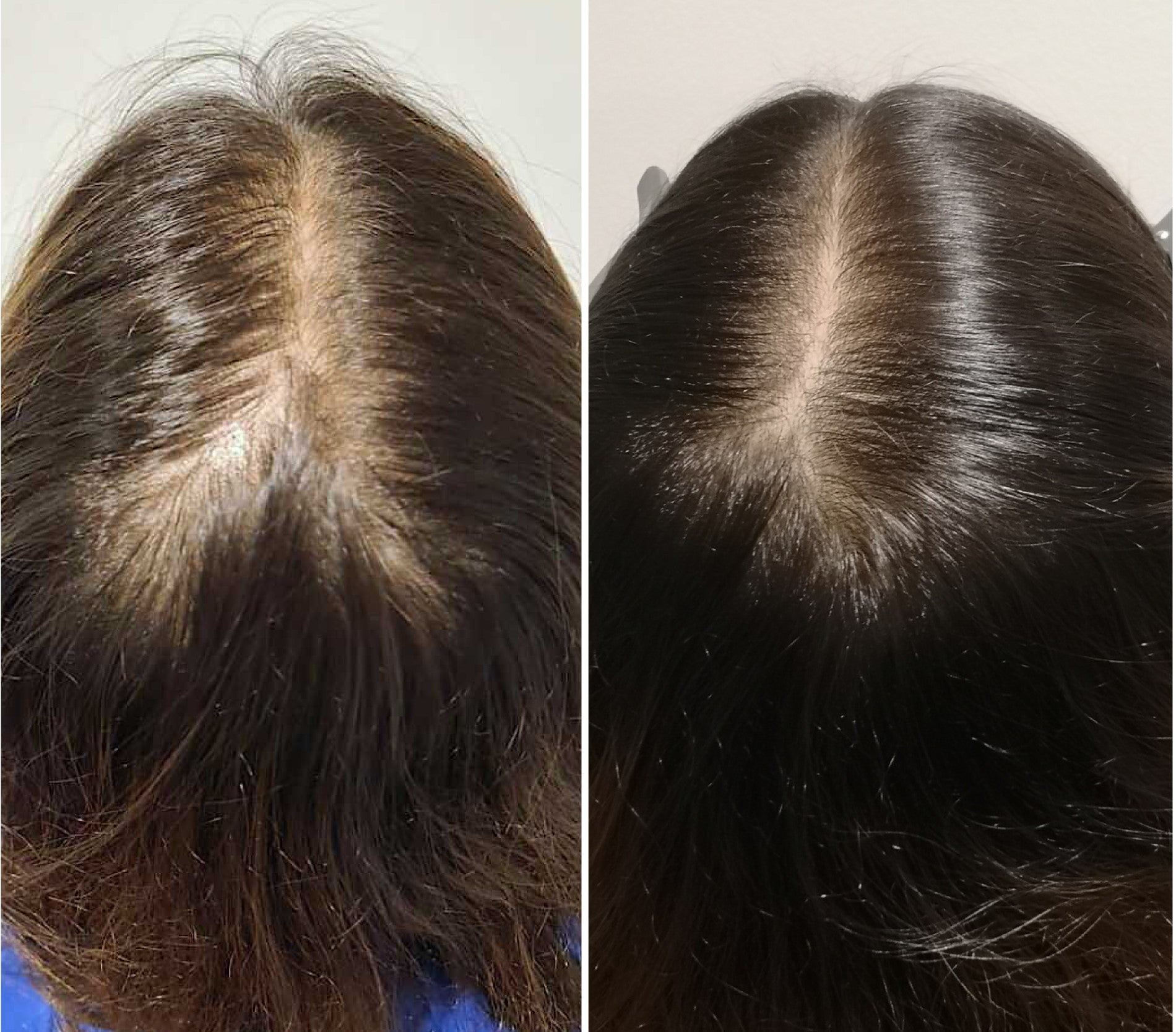
Changes in Hair Density: Many women observe a reduction in hair volume, which may be more apparent around the temples and frontal hairline.
Follicle Sensitivity: The scalp and hair follicles may be affected by the significant hormonal shifts occurring during the postpartum period.
Common Observations
Early observation of hair changes can assist in determining when to seek a clinical assessment:
Increased Shedding: Hair fall may be more noticeable during brushing or washing.
Visible Changes in Density: Particular focus is often noted around the temples or the anterior hairline.
Reduction in Volume: A general change in how the hair feels or sits due to decreased density.
Hairline Presentation: Temporary changes in the appearance of the hairline.
Supporting Hair Health Post-Pregnancy
In addition to clinical assessment, the following measures may support hair and scalp health:
Nutrition: Maintaining a balanced intake of protein, vitamins, and minerals essential for hair health.
Gentle Hair Management: Minimising mechanical stress from tight hairstyles or excessive heat.
Scalp Care: Maintaining a clean scalp environment to support hair follicle function.
General Wellbeing: Prioritising rest and recovery where possible to support the body’s physiological balance.
Clinical Approaches at Beauty by Doctor
Located in Bondi Junction, Sydney, Beauty by Doctor, led by Dr Phoebe Jones, provides a clinical focus on managing hair density changes following pregnancy.
BBD Hair Restoration Protocol
Our structured treatment plans for post-childbirth hair concerns may include:
Calecim® Professional Advanced Hair System: This system utilises conditioned media containing growth factors and proteins designed to support the scalp and hair follicles.
Scalp Microneedling: A procedure used to stimulate the scalp tissue and support the absorption of topical applications.
LED Therapy: Utilises specific wavelengths of light to support the scalp environment and cellular activity.
Individual Management Plans: Following a clinical evaluation, a personalised plan is developed which may include topical or other interventions tailored to individual requirements.
Maintenance and Recovery
Post-pregnancy hair shedding is generally a temporary physiological event. However, a structured approach involving LED, microneedling, or topical therapies may support the recovery of hair density.
Frequently Asked Questions (FAQs)
How soon may changes be observed?
A reduction in shedding is typically observed within 6-8 weeks when following a structured plan, with changes in visible density generally noted after 3-6 months of consistent management.
Is the microneedling procedure uncomfortable?
Discomfort levels vary between individuals. Management options are available during the procedure to assist with patient comfort.
Who is suitable for these treatments?
Women experiencing postpartum hair shedding who wish to address hair density may be candidates. Suitability for treatment is determined during a consultation following a physical assessment.
Are the results permanent?
Postpartum hair shedding often resolves as hormone levels stabilise. Clinical interventions aim to support this recovery process and improve hair characteristics. Ongoing maintenance may be discussed based on individual hair health goals.
Address Post-Pregnancy Hair Shedding
Hair changes following childbirth are a natural physiological response. Clinically focused options at Beauty by Doctor in Bondi Junction are available to address hair thickness and density.
For more details on hair treatment options in Australia, please contact the clinic. To discuss your specific concerns, a clinical consultation is the first step in assessing your suitability for treatment.
Suitability for treatment is determined during consultation. All medical and cosmetic procedures carry risks, and outcomes vary between individuals. While complications are uncommon, it is important that potential risks, including rare adverse events, are understood. For more information, please refer to our Treatment Complications page: https://beautybydoctor.com/pages/concerns/treatment-complications