






Photodynamic Therapy (PDT)
Photodynamic Therapy (PDT)
Treatment Complications

Possible Photodynamic Therapy (PDT) Complications: What You Need to Know
Photodynamic therapy (PDT) is a procedure that involves the application of a photosensitising agent followed by exposure to a specific light source. It is used in dermatological and aesthetic settings as part of treatment plans addressing various skin concerns. As with any procedure involving the skin, there are potential risks and complications. These are uncommon and are outlined not to cause concern, but as part of our responsibility to provide clear and comprehensive information to support informed decision-making.
Understanding these risks allows for appropriate treatment planning and aftercare.
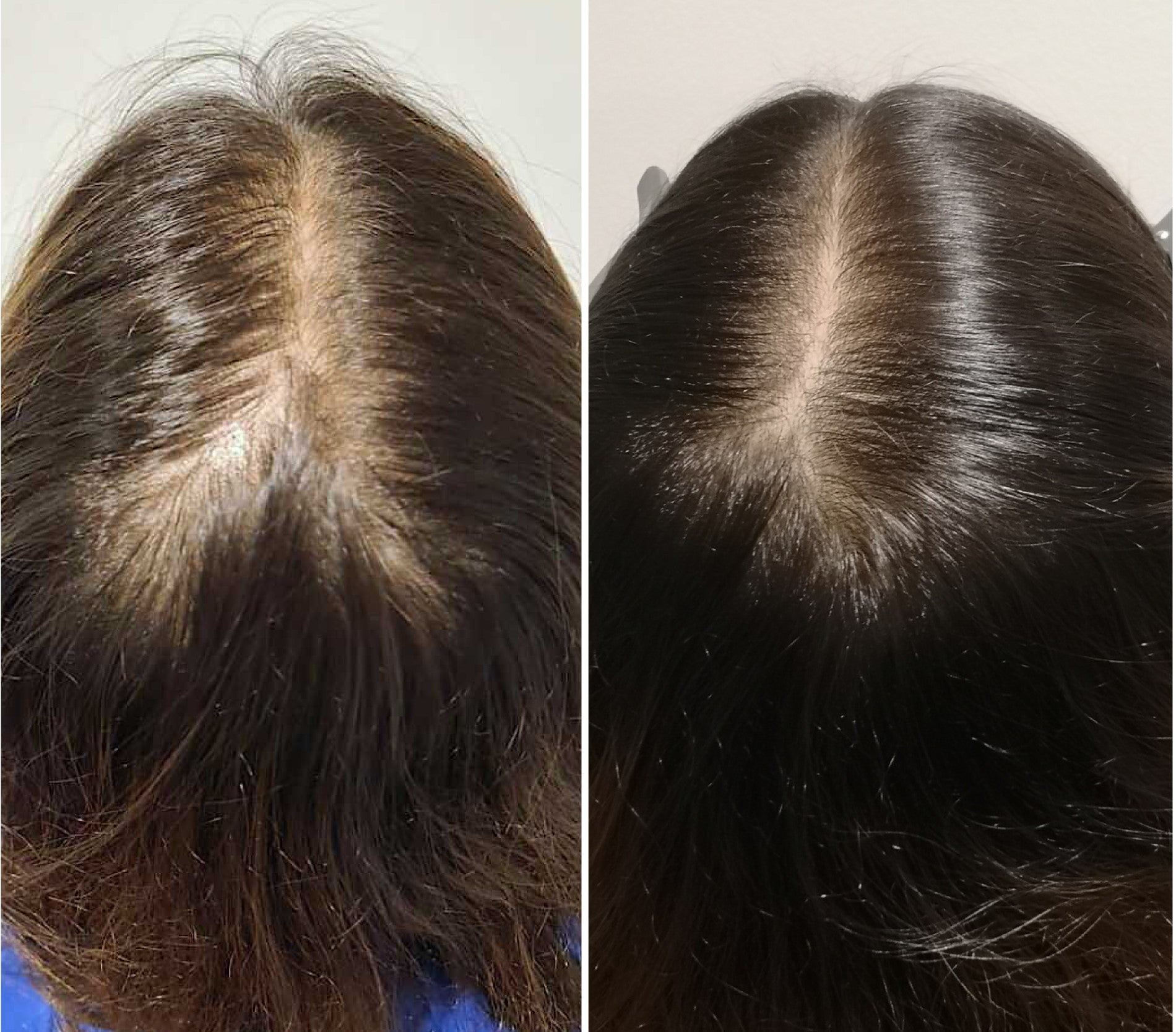
(Images show patient at day 2 post-PDT treatment and day 14 post-PDT treatment.)
Understanding the Risks
PDT involves a controlled skin response following activation of the photosensitising agent. Individual responses may vary depending on skin type, treatment area, and exposure conditions. Awareness of potential complications supports informed consent and appropriate management if required.
Redness and Inflammation
What It Is: Marked redness and inflammation of the treated area following light activation.
How Common: Common and expected as part of the treatment response.
How Long It Lasts: Typically most noticeable in the first few days and may persist for several days.
Management: Usually self-limiting; aftercare guidance may be provided.
Swelling
What It Is: Localised swelling in the treated area.
How Common: Common, particularly in areas with thinner skin.
How Long It Lasts: Often settles within several days.
Management: Typically resolves with supportive care.
Peeling or Crusting
What It Is: Shedding of the outer skin layers or formation of crusting as part of the healing process.
How Common: Common.
How Long It Lasts: May occur over several days following treatment.
Management: Managed with appropriate aftercare and skincare guidance.
Sensitivity to Light
What It Is: Increased sensitivity to sunlight and bright indoor light following treatment due to the photosensitising agent.
How Common: Expected following PDT.
How Long It Lasts: Typically lasts for 24 to 48 hours but may vary.
Management: Strict avoidance of direct light exposure during this period is required as advised.
Discomfort or Stinging
What It Is: Sensation of stinging, burning, or discomfort during or shortly after light exposure.
How Common: Common.
How Long It Lasts: Usually short-term but may persist for several hours.
Management: Managed during and after treatment as appropriate.
Infection
What It Is: Bacterial infection associated with disruption of the skin barrier.
How Common: Uncommon when appropriate aftercare is followed.
How Long It Lasts: Varies depending on severity.
Management: May require medical treatment and review.
Post-Inflammatory Hyperpigmentation (PIH)
What It Is: Temporary darkening of the skin following inflammation, particularly in individuals with higher pigment levels.
How Common: Uncommon but recognised.
How Long It Lasts: May resolve over weeks to months.
Management: May include topical treatments and adjustment of future treatment parameters.
Minimising Your Risk
Risk may be reduced through appropriate clinical assessment, adherence to pre- and post-treatment instructions, and strict avoidance of light exposure as advised following treatment.
If You Experience Concerns Following Treatment
If you experience unexpected symptoms following photodynamic therapy, it is important to contact your treating clinic promptly. Please call (02) 9388 9191, or if outside of business hours, 0492 175 092.
At Beauty by Doctor, care pathways are in place to assess and manage complications where required.
Disclaimer
This information is provided for educational purposes and does not replace a consultation with a qualified medical professional.