






Stress Related Hair Loss
Stress Related Hair Loss
Hair Loss
Whether from chronic stress, acute emotional trauma, or sustained periods of anxiety, stress-induced hair shedding requires targeted interventions for effective management. For individuals experiencing hair thinning related to stress in Sydney, access to medically supervised, evidence-based treatments is available.
Understanding Stress Related Hair Thinning: Causes, Mechanisms, and Clinical Treatment Solutions
Stress-related hair thinning is a common condition, particularly among adults dealing with high stress or anxiety. Known clinically as telogen effluvium, changes in hair density due to stress can cause concern, which may exacerbate the underlying cause. Whether from chronic stress, acute emotional trauma, or sustained periods of anxiety, stress-induced hair shedding requires targeted interventions for effective management. For individuals experiencing hair thinning related to stress in Sydney, access to medically supervised, evidence-based treatments is available.
What is Stress Related Hair Thinning?
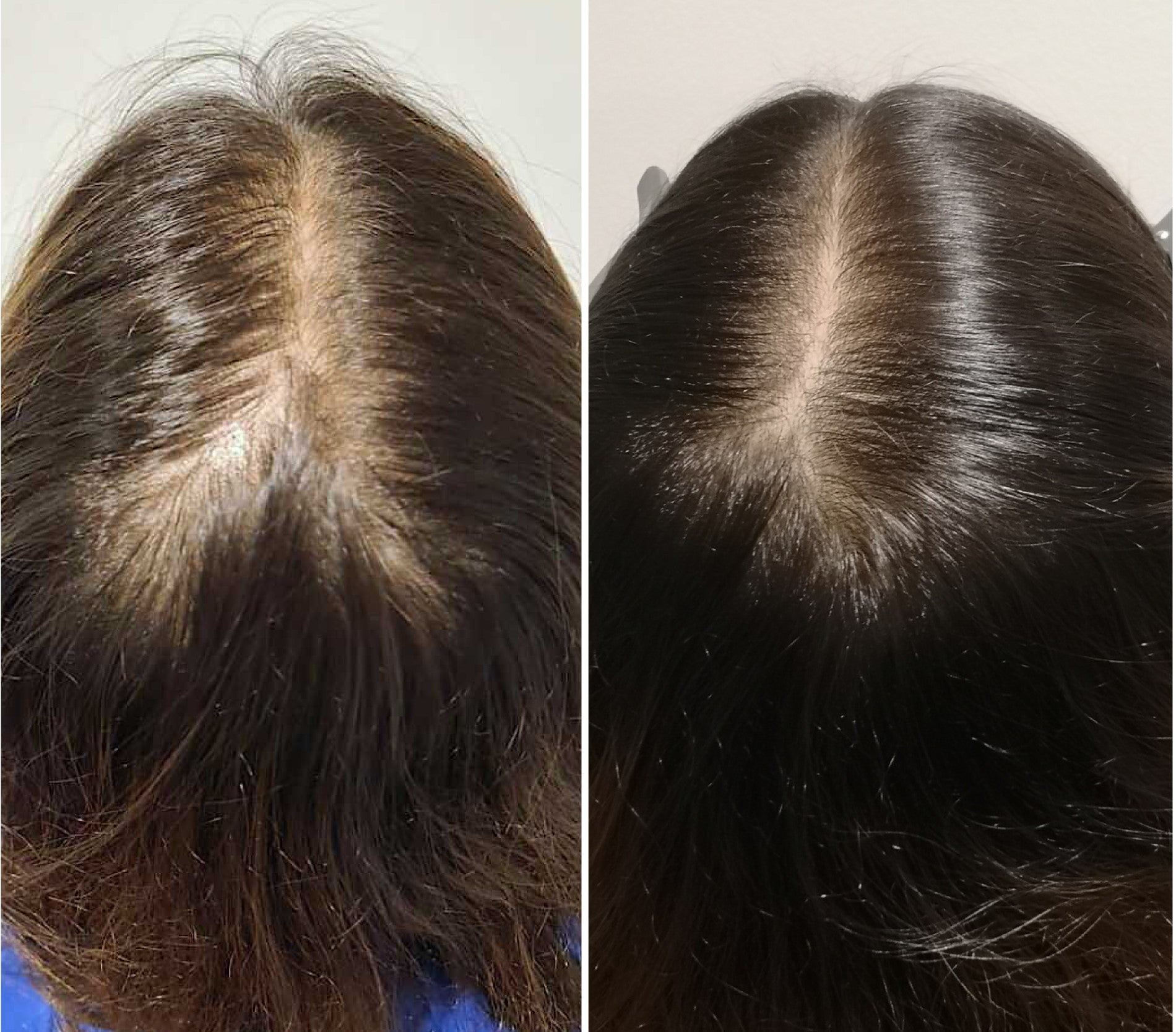
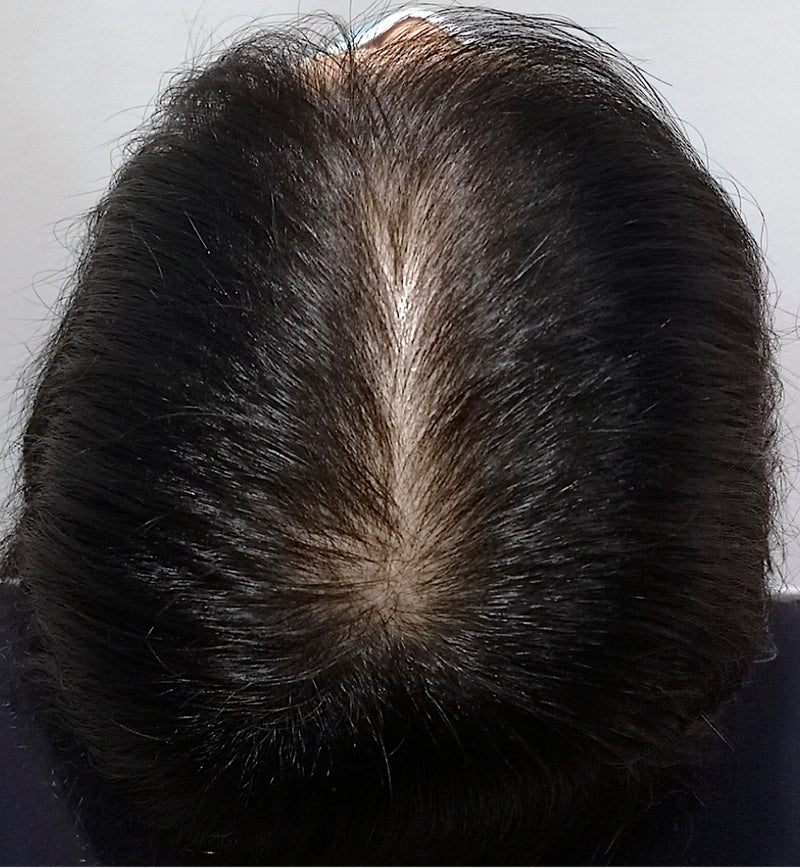
Stress related hair thinning, or telogen effluvium, typically presents as diffuse thinning across the entire scalp rather than in isolated patches, distinguishing it from patterned hair loss such as male or female pattern baldness. It occurs when significant physical or emotional stress disrupts the hair growth cycle, causing a large number of hair follicles to shift from the growth (anagen) phase into the resting (telogen) phase. This condition often emerges several weeks to months after the stress event, making clinical assessment and early intervention important.
Common Factors in Stress Related Hair Thinning
Several factors can trigger stress related hair thinning, including:
Telogen Effluvium: The primary mechanism of stress-related hair shedding, this occurs when significant emotional or physical stress causes hair follicles to enter the resting phase, resulting in noticeable shedding several months later.
Nutritional Deficiencies: Chronic stress can impact diet and digestion, potentially leading to deficiencies in essential nutrients such as protein, iron, zinc, and vitamins, all of which are relevant to maintaining hair quality.
Hormonal Variations: Stress elevates cortisol levels, a hormone that can affect hair follicle cycling and health, contributing to changes in hair density.
Psychological Factors: Anxiety and prolonged stress affect overall health and can influence hair shedding by maintaining an ongoing physiological stress response.
Physiological Changes Associated with Stress Related Hair Thinning
Understanding these physiological shifts is essential for targeted approaches:
Hair Cycle Disruption: Elevated stress levels can push follicles into the resting phase, causing increased shedding several months after the initial stress event.
Follicular Stress: Chronic stress can influence the follicular environment, affecting hair follicle function and leading to thinning or increased shedding.
Scalp Environment Alterations: Stress-induced physiological changes and hormonal fluctuations can impact scalp microcirculation, further affecting hair density.
Observations and Considerations
Early assessment of stress-induced hair shedding can enhance management outcomes:
Diffuse Thinning: Generalised reduction in hair density across the scalp.
Increased Hair Shedding: Hair accumulation in brushes, on pillows, or during washing, typically appearing 2-4 months following a stressful event.
Reduced Hair Volume: Noticeable change in the feel or thickness of the hair when styled.
Wider Parting: Diffuse thinning may make the scalp more visible along natural partings.
Strategies to Manage Stress and Support Hair Health
Effectively managing stress is important for overall health and may help mitigate stress related hair thinning. Here are several practical strategies:
Regular Exercise: Physical activity can help manage cortisol levels and support hormonal balance, which is conducive to maintaining hair quality.
Quality Sleep: Adequate rest is important for managing stress and hormone regulation. Aim for 7-9 hours of restful sleep nightly to support physiological function.
Balanced Diet: Ensuring a diet rich in vitamins, minerals, proteins, and essential fatty acids supports overall health and follicle nutrition.
Mindfulness and Meditation: Mindfulness practices such as meditation and deep breathing exercises can help lower stress hormones and support mental wellbeing.
Counselling and Therapy: Professional psychological support through counselling or cognitive behavioural therapy (CBT) can assist in managing anxiety and chronic stress.
Social Connections: Maintaining social relationships and seeking emotional support can provide stress relief and emotional resilience.
Clinical Treatments for Stress Related Hair Thinning
At Beauty by Doctor, situated in Bondi Junction, Sydney, the clinical team offers treatment options focused on addressing stress related hair thinning.
BBD Hair Restoration Protocol Featuring the Calecim Advanced Hair System
Our hair restoration treatment options comprise integrated components designed to address hair density and scalp health:
Calecim® Professional Advanced Hair System
Calecim utilises an advanced formulation containing growth factors and proteins derived from ethically sourced umbilical cord lining. These ingredients are used to support hair follicles and manage the scalp environment.
Scalp Microneedling
This technology is used to stimulate scalp tissue. Microneedling creates micro-channels that trigger a natural healing response, supporting blood flow and assisting in the absorption of the Calecim® serum.
LED Light Therapy
Utilising targeted wavelengths of red and near-infrared light, LED therapy is used to manage scalp inflammation and support cellular activity, providing a supportive environment for hair.
Personalised Prescription Medications
Following an in-depth medical consultation, patients may be prescribed customised medications when suitable. These are formulated to address individual scalp health and hair density needs by supporting follicle circulation and activity.
Maintenance of Results
While stress related hair thinning is often temporary, ongoing stress or a predisposition to thinning may require sustained intervention. Regular treatment options (Calecim®, Microneedling, LED) combined with personalised medical management can help maintain scalp health and hair density over the long term.
Frequently Asked Questions (FAQs)
Q. How soon will treatment results become noticeable?
A. Changes in hair density vary between individuals. Initial observations may occur within 6-8 weeks, with more visible changes in density typically seen within 3-6 months of consistent treatment.
Q. Is Microneedling uncomfortable?
A. Discomfort varies between individuals. Any discomfort can be managed with clinical options, and most patients find the procedure manageable.
Q. Who is suitable for these treatments?
A. Those experiencing hair thinning or shedding related to stress or anxiety may be candidates for these protocols. A thorough consultation is vital to assess individual suitability and rule out other underlying conditions.
Q. Are treatment results permanent?
A. Hair often recovers following the resolution of the underlying stress, however, outcomes vary. Ongoing management may be recommended to maintain hair density if stress persists.
Address Your Stress Related Hair Thinning
Experiencing hair thinning due to stress or anxiety can be addressed with clinically supported treatment options.
Serving Bondi Junction, Sydney's Eastern Suburbs, and the greater Sydney area, Beauty by Doctor focuses on personalised treatment options to address your hair concerns.
For more information on treatment options for stress related hair thinning, click HERE.
To discuss your specific concerns about hair thinning, schedule your consultation with Beauty by Doctor today.
Suitability for treatment is determined during consultation. All medical and cosmetic procedures carry risks, and outcomes vary between individuals. While complications are uncommon, it is important that potential risks, including rare adverse events, are understood. For more information, please refer to our Treatment Complications page: https://beautybydoctor.com/pages/concerns/treatment-complications