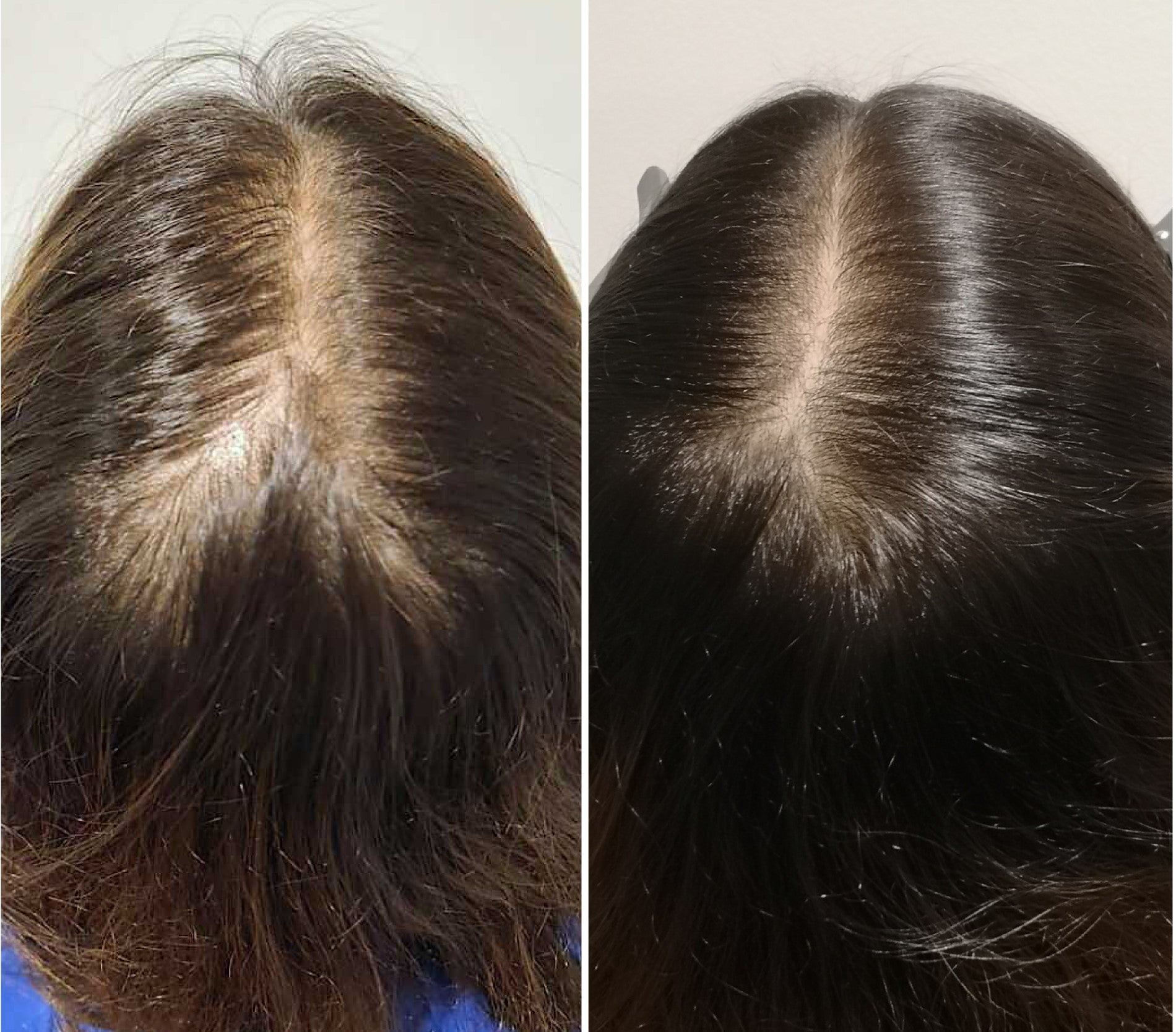
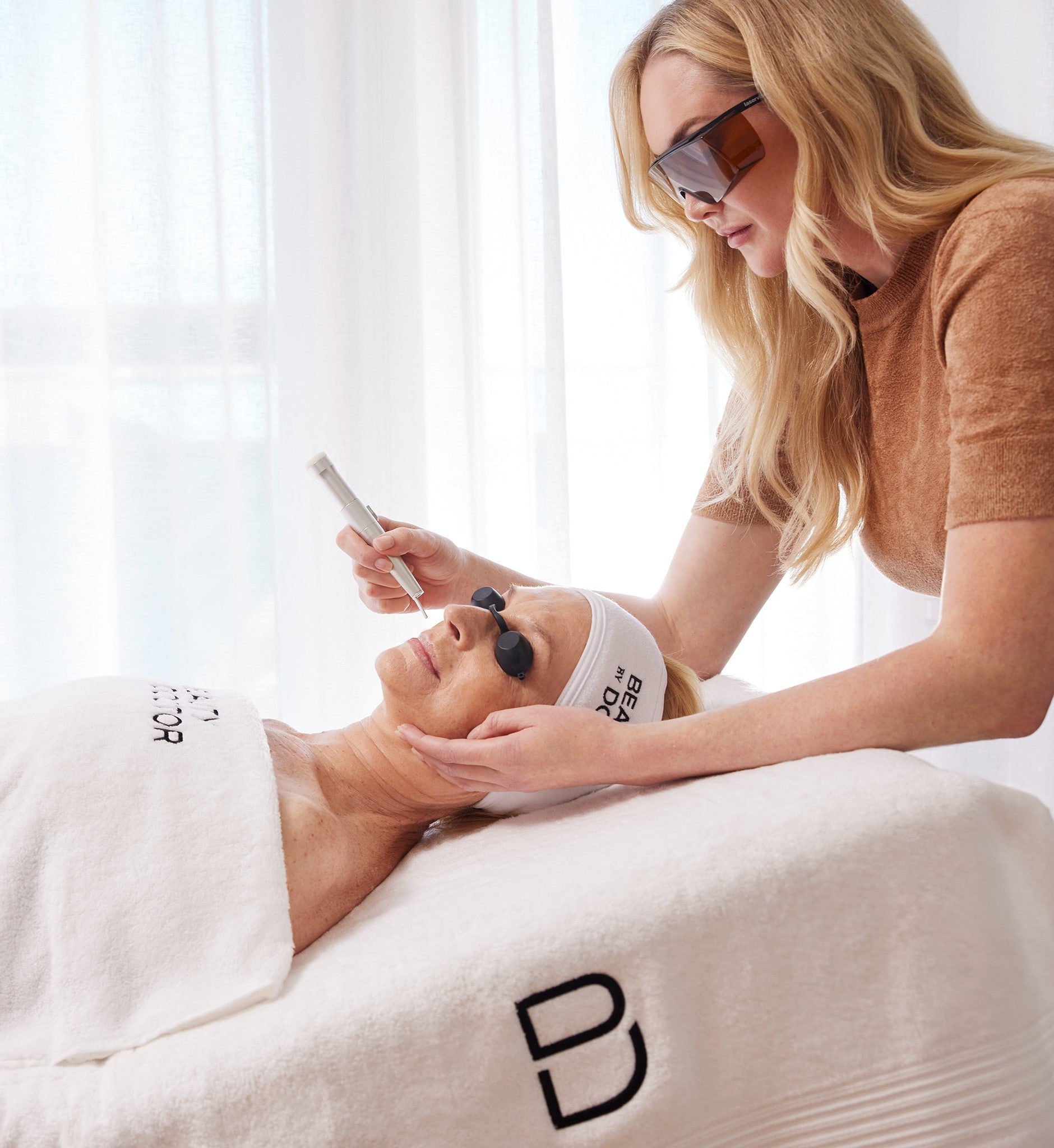
PDT represents a clinical treatment that blends photosensitiser medication with light of a precise wavelength to address several skin concerns, precancerous lesions, and some cancer types. The treatment involves applying a photosensitive lotion to the target area. The cream is absorbed by the affected cells. When activated by light, the lotion produces reactive oxygen species that address tumour cells while protecting nearby healthy tissue.
Conditions Addressed with Photodynamic Therapy
Photodynamic Therapy for skin cancer treatment is utilised for medical procedures and skin quality treatments. It is used to manage:
Acne & Rosacea: PDT addresses inflammation and skin bacteria and manages excessive oil production.
Actinic Keratosis: Extended exposure to sunlight results in precancerous skin lesions on human skin.
Basal Cell Carcinoma: A common form of skin cancer that PDT is used to treat.
Squamous Cell Carcinoma (Stage 0): The application of PDT is used for treating early stages of skin cancer.
Sun-Damaged Skin: PDT focuses on the surface quality of skin by addressing the visible signs of skin pigmentation.
Fine Lines & Skin Texture: The treatment stimulates collagen production, contributing to a change in skin quality and a refreshed appearance.
Psoriasis & Eczema: By addressing inflammation, the treatment helps to manage symptoms.
Precancerous & Cancerous Lesions: PDT is a TGA-approved treatment for various cancerous conditions.
Cancer and Precancers Treated with Photodynamic Therapy
Photodynamic Therapy for skin cancer is a TGA-approved therapeutic method for specific cancer types and certain cancerous growths, including:
Actinic Keratosis: Precancerous skin lesions developed due to UV rays from sunlight.
Advanced Cutaneous T-Cell Lymphoma: A rare form of skin cancer.
Barrett’s Esophagus: A condition where the development of oesophagal cancer becomes more likely.
Basal Cell Skin Cancer: A common and treatable form of skin cancer.
Esophageal (Throat) Cancer: Esophageal cancer cells are targeted through PDT treatment.
Non-Small Cell Lung Cancer: Patients at early stages may be assessed for this treatment regimen.
Squamous Cell Skin Cancer (Stage 0): PDT is used to treat cancer cases at their initial stages.
How Photodynamic Therapy Functions
PDT functions through three fundamental methods to address tumour cells.
Cellular Destruction: The body produces oxygen radicals through light activation of photosensitisers, directly addressing abnormal cells.
Tumour Blood Vessel Damage: The PDT treatment targets blood vessels that supply the tumour, restricting the supply of nutrients.
Immune System Activation: When cancer cells are addressed, the body initiates an immune reaction to detect and manage remaining tumour cells.
The Photodynamic Therapy Process
The PDT procedure follows a structured clinical sequence.
Application of Photosensitizer: A light-sensitive medication is applied to the treatment zone.
Absorption Time: The medication requires an absorption period that runs from several hours to days, depending on the treated condition.
Light Activation: When photosensitisers receive activation through specific light wavelengths, they address the targeted cells.
Recovery: The body naturally clears away the treated cells as it regenerates healthy new tissue.
Characteristics of Photodynamic Therapy
PDT offers several clinical features compared to conventional therapies for different medical applications.
Clinically Targeted: The treatment requires no surgical incisions, which may reduce recovery duration compared to invasive surgery.
Precision: Photodynamic Therapy concentrates on a specific region, focusing on the area of concern while protecting adjacent healthy tissues.
Versatility: PDT provides a treatment option for acne, sun damage, precancerous lesions and specific types of cancer.
Recovery: Most patients resume their regular activities within several days, though recovery varies between individuals.
Skin Quality Improvement: The treatment addresses skin texture and skin pigmentation while stimulating collagen formation.
Medical procedures under this category allow for structured treatment plans for persistent skin care needs.
PHOTODYNAMIC THERAPY – Skin Quality & Medical Considerations
The use of Photodynamic Therapy for the face is an established practice in Australia to address the following:
Management of acne and rosacea
Address skin tone and texture
Address pigmentation and sunspots
Manage fine lines
This approach to skin treatment is an alternative to laser therapy for individuals who wish to combine skin health improvements with medical benefits.
What to Expect During and After PDT
Before Treatment:
A medical examination by your doctor will establish whether PDT is a suitable treatment for your skin condition. A photosensitising agent is applied to the treatment area as the first step. The absorption period for the agent requires several hours or days before completion.
During Treatment:
The photosensitiser will receive activation through a specific light source, such as LED or laser. The duration of PDT treatment typically ranges between 15 and 45 minutes, according to the size of the treatment area. Discomfort varies between individuals and may include mild skin sensitivity, tingling or burning sensations.
After Treatment:
The most frequent post-treatment indications comprise redness with mild swelling and peeling, which typically resolve after a few days. Sunlight exposure should be avoided for 48 hours because the treated skin remains exceptionally sensitive to light. In the following weeks, the treated skin changes in tone and texture. Outcomes vary between individuals.
Consultation
Scheduling a consultation will help you explore treatment options for Photodynamic Therapy. Our team will provide clinical support throughout the process.
Conclusion
Photodynamic Therapy is a medical approach for treating multiple skin concerns, including precancerous growths and some skin cancers. PDT enables healthcare providers to address unhealthy cells and focus on skin quality, offering a clinical solution for long-term management. Consult with a doctor experienced in PDT treatment to receive a personalised treatment plan.
Frequently Asked Questions
Is PDT painful?
The procedure may cause minor discomfort, which patients typically experience as tingling or warmth sensations. Cooling procedures are often used to manage this brief discomfort.
How many sessions are required?
The treatment protocol includes a varying number of PDT sessions based on the specific medical condition. Outcomes vary between individuals; while some concerns may be addressed in one session, other conditions may require a structured treatment plan.
Is PDT suitable for all skin types?
A consultation determines whether PDT is suitable for your individual skin characteristics.
What are the risks of PDT?
Typical side effects from PDT treatment include temporary redness, skin peeling, and heightened sensitivity to sunlight. While serious complications are uncommon, all medical procedures carry risks which will be discussed during your assessment.
Suitability for treatment is determined during consultation. All medical and cosmetic procedures carry risks, and outcomes vary between individuals. While complications are uncommon, it is important that potential risks, including rare adverse events, are understood. For more information, please refer to our Treatment Complications page: https://beautybydoctor.com/pages/concerns/treatment-complications