





Dissolving Filler: Why You Might Consider Filler Reversal and Correction
5 minute read.

Discover how dissolving filler with Hyaluronidase, also known as Hyalase or filler dissolver, can refine and correct dermal filler results. Learn about why patients choose filler reversal, the treatment process, and how Beauty by Doctor in Bondi Junction ensures precise, natural outcomes tailored to your aesthetic goals.
Filler Dissolving and Revision
Hyaluronidase is a clinical option for those seeking to address or manage previous dermal filler treatments. This approach allows for the modification of hyaluronic acid-based fillers to better align with a patient's current clinical goals or to address specific concerns following a previous procedure. At Beauty by Doctor in Bondi Junction, our focus is on a professional assessment to determine the most appropriate management plan for your individual needs.
Dermal fillers are used to manage skin quality and volume, but there are instances where a revision of the initial treatment is requested. Patients may seek to address filler volume for several reasons, including:
Asymmetry or uneven distribution of the product;
The presence of palpable lumps or clinical nodules post-treatment;
Management of clinical complications such as vascular compromise;
A preference for a change in the degree of volume or a more subtle clinical appearance.
Addressing these concerns through enzymatic dissolution provides a structured way to manage previous aesthetic interventions.
Hyaluronidase: Addressing Dermal Filler Results
Hyaluronidase is an enzyme used in clinical practice to break down and facilitate the absorption of hyaluronic acid-based fillers. Originally utilised in broader medical fields to assist with the absorption of fluids, it is now a standard tool in cosmetic medicine for managing filler-related concerns or adjusting the clinical outcome of a procedure.
What is the Objective of this Treatment?
The use of an enzymatic dissolver is focused on:
Addressing areas of excessive volume or uneven product placement;
Managing lumps or nodules that may occur after a filler procedure;
Clinical intervention for rare but serious complications like vascular occlusion;
Modifying the clinical appearance to achieve a balanced and refreshed outcome.
This treatment provides a pathway for patients to adjust previous work that may no longer align with their clinical expectations. Whether managing volume, addressing asymmetry, or responding to a change in personal preference, this process allows for a tailored approach to your current presentation.

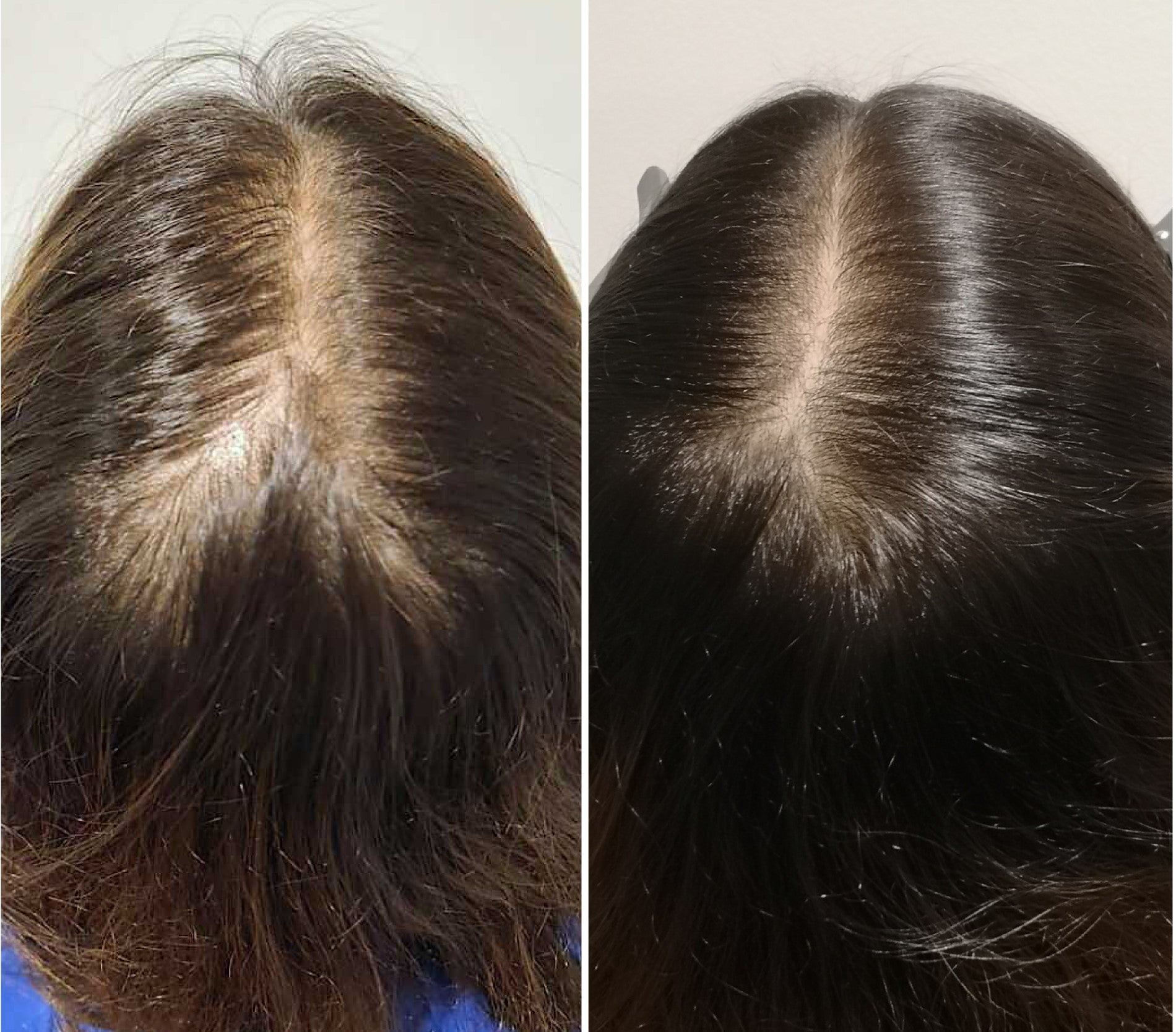
Photo Description: Side-by-side images of Courteney Cox. On the left, a photo showing the appearance of dermal fillers. On the right, a recent photo of Cox after the filler has been dissolved, showing her natural facial contours.
What to Expect During the Process
A treatment with hyaluronidase typically aims for:
A reduction in the volume of the previous filler;
A change in the texture of areas where lumps or unevenness were present;
A return toward natural anatomical contours.
How Does the Treatment Work?
The enzyme works by breaking down the cross-linked hyaluronic acid within the filler. Once the enzyme is administered to the area of concern, the filler is broken down into smaller components and is subsequently processed by the body’s natural metabolic systems. While the timeframe for absorption varies, many patients observe a change in the area within 24 to 48 hours.
When Can New Treatment Be Considered?
To allow the tissues to settle and to ensure the previous filler has been fully addressed, it is generally recommended to wait a minimum of two weeks after a dissolving treatment before considering further filler procedures. This period allows for any swelling to resolve and provides a stable baseline for a new assessment.
Is the Procedure Comfortable?
The management of filler revision is generally well-tolerated. The clinical process involves:
Consultation: Your practitioner will perform a clinical assessment of the area and discuss your concerns.
Preparation: The area is cleansed, and a topical numbing agent may be used if appropriate for the patient.
Administration: The enzyme is administered using a fine needle. While some patients may experience a mild stinging sensation, the procedure is typically managed with minimal discomfort.
How Long Does the Appointment Take?
Including the clinical assessment and preparation, the procedure is performed in-clinic and generally takes between 15 and 30 minutes, depending on the number of areas being addressed.
Recovery and Aftercare
Recovery varies between individuals, though most patients return to their usual activities shortly after the appointment. Standard aftercare includes:
Avoiding strenuous exercise, alcohol, and excessive heat for 24 hours;
Using a cold compress if mild swelling is present. Mild swelling is a common clinical observation following treatment; your doctor will provide specific advice on managing this if it occurs.
Adhering to all post-treatment instructions provided by your physician.
How Many Sessions Are Required?
For many patients, a single session is sufficient to address the area of concern. However, in cases where a significant volume of filler is present or for complex clinical revisions, additional sessions may be necessary to achieve the desired outcome.
How Quickly Are Changes Observed?
Initial changes are typically seen within 24 to 48 hours, with the final clinical result becoming apparent once any minor swelling has subsided after several days.
Is the Result Permanent?
The breakdown of the injected filler by the enzyme is permanent. It is important to note that this treatment targets the synthetic filler and does not typically impact the body’s naturally occurring hyaluronic acid long-term.
Treatment Costs
Pricing for filler revision is discussed during your consultation following a physical assessment and the development of your individual treatment plan. Treatment recommendations and associated costs are provided after a personalised assessment. Due to Australian regulations, specific pricing for these medical treatments cannot be listed online. We offer an initial consultation where your suitability will be determined. For more information, please call the clinic on 02 9388 9191.
Targeted Treatment Areas
Enzymatic treatment allows for precise management of specific regions, such as the lips, cheeks, or the infraorbital (under-eye) area, without affecting other parts of the face. This supports a balanced and anatomical approach to facial harmony.
Why Consult Beauty by Doctor Bondi Sydney?
At Beauty by Doctor (BBD) in Bondi Junction, our approach focuses on professional, clinical care under the guidance of our Medical Director, Dr Phoebe Jones. Our team focuses on providing a balanced assessment and precise clinical management of your aesthetic concerns.
Next Steps
If you are considering a revision of previous dermal filler or need to address a clinical concern, an assessment for enzymatic dissolution may be appropriate. At Beauty by Doctor, we develop a personalised plan based on your individual assessment. Contact our Bondi Junction clinic to arrange your consultation.
Suitability for treatment is determined during consultation. All medical and cosmetic procedures carry risks, and outcomes vary between individuals. While complications are uncommon, it is important that potential risks, including rare adverse events, are understood. For more information, please refer to our Treatment Complications page: https://beautybydoctor.com/pages/concerns/treatment-complications
Introducing our Signature Skin Treatments tailored to your skin and budget.
See all treatments