
Treatment Types
Aftercare
BBD Signature Treatments
Bio Remodelling
Biostimulation
Blepharoplasty
Brows Sydney
CALECIM by BBD
Earlobe Repair Sydney
Evolve X
Excessive Sweating
Fat Dissolving Injections
Fat Transfer
Filler Dissolver
Hair Loss
Laser
Medical Tattooing
Men
MicroNeedling
Morpheus8
Pain Relief for Procedures
Photodynamic Therapy
Scar Reduction
Sclerotherapy
Skin Boosters
Skin Peels
Skincare
Slimming with Muscle Relaxants
Thread Lifting
UltraClear Laser
Volume Restoration
Wrinkle Reduction
Concern
Body
Face
Hair Loss
Skin
Treatment Complications
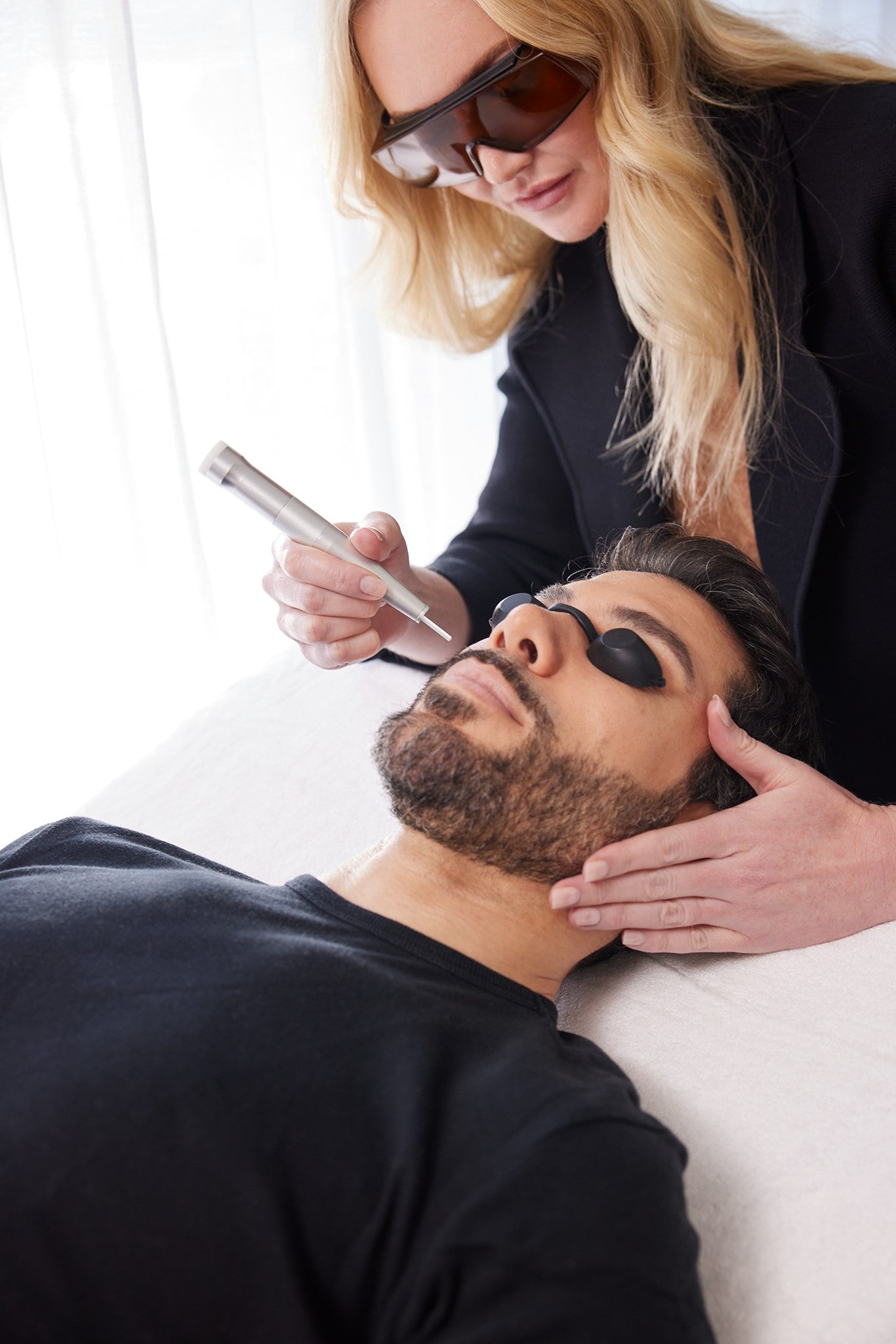
Laser
BBD Rejuvenation Laser
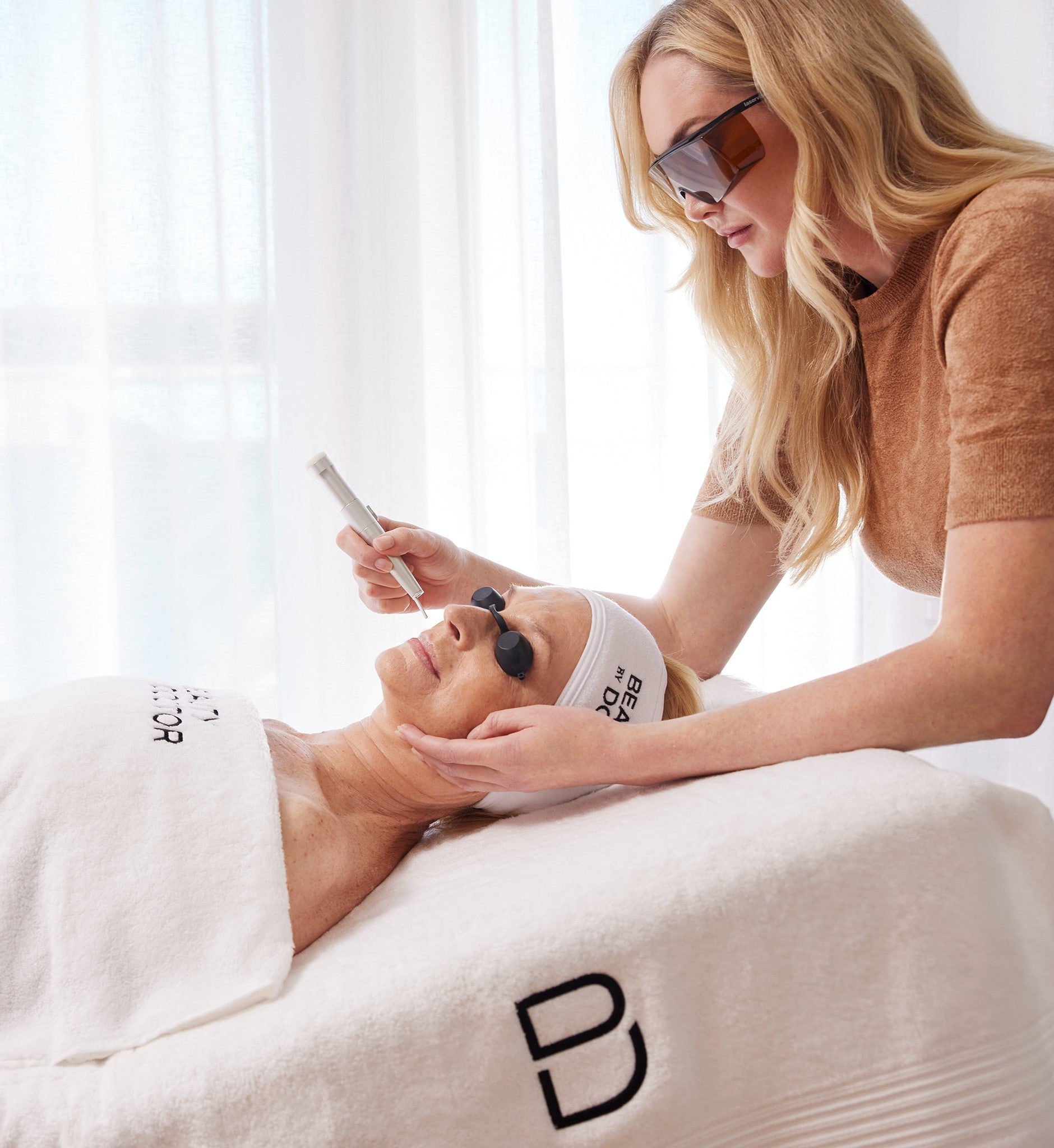
The BBD Rejuvenation Laser is a multi-step skin treatment designed to address a range of common skin concerns, including pigmentation, uneven skin tone, textural irregularities, and vascular changes. This approach combines several established technologies into a single in-clinic session, allowing for a comprehensive treatment plan tailored to individual skin characteristics. Read more
Acne Laser Facial
Acne Laser Facials are designed to support the management of active acne and associated skin changes. This treatment uses targeted laser energy to address inflammation, reduce breakouts, and support overall skin function. Read more
Rosacea Laser Facial
If you are seeking to address redness associated with rosacea, the laser treatments at BBD may be an appropriate option. This approach utilises advanced laser technology to target vascular redness, aiming for a more even skin tone. Read more
Melasma Laser Facial
Melasma is a common form of hyperpigmentation that may present as uneven brown or grey patches on the face. It is often associated with sun exposure, hormonal influences, or genetic factors. Management of melasma typically requires a considered and ongoing approach. At Beauty by Doctor (BBD), treatment approaches are tailored to the individual, with an emphasis on careful assessment and evidence-based care. Read more
Freckle Removal
If you are considering options for addressing freckles or pigmentation, Beauty by Doctor (BBD) in Bondi Junction, Sydney, provides clinical approaches focused on managing skin tone and skin quality. Read more
Mole Removal
Some individuals seek mole removal for cosmetic reasons or because a mole is catching, rubbing, or otherwise bothersome. At Beauty by Doctor (BBD) in Bondi Junction, treatment suitability is assessed during consultation. This guide explains the process of cosmetic mole removal, the treatment options that may be used, and what to expect. Read more
Skintag Removal
Skin tags, clinically known as acrochordons, are common benign cutaneous growths that frequently occur in areas where skin friction is prevalent. At Beauty by Doctor in Sydney, we provide clinical assessments and treatment options for individuals seeking to manage these lesions. Our approach utilises TIMED Technology, a precision-based modality designed for the targeted treatment of skin tissues. Read more
ADVA TX Vascular Laser
ADVA TX Laser Treatment at Beauty by Doctor Beauty by Doctor (BBD) offers the ADVA TX laser system, a multi-modality platform used to address a range of skin concerns. Treatments are performed by practitioners experienced in aesthetic laser procedures, with suitability assessed during consultation. Read more
Q-Switch
Q-Switch Laser Sydney The Q-Switch Laser at Beauty by Doctor (BBD) in Sydney is a clinical option for addressing skin congestion, melasma, pigmentation, and the appearance of certain scars and tattoos. Read more
Laser Genesis Sydney
Laser Genesis Skin Treatment Laser Genesis is a laser-based treatment designed to support collagen production within the skin. This approach works with the skin's natural processes, focusing on skin quality and a refreshed appearance. Read more
Fractional Laser (CO2 / Fraxel / Fraxis)
Fractional laser is a skin resurfacing treatment that uses controlled laser energy to create microscopic channels within the skin. This process supports the skin’s natural repair mechanisms, encouraging collagen production and cellular turnover. Over time, this may lead to changes in skin texture, tone, and overall skin quality. Read more
Healite
What is Healite? Healite is a cosmetic light-based treatment that uses specific wavelengths of light to support cellular activity within the skin. This process may assist with skin function and overall skin quality by encouraging natural biological responses within the tissue. Read more
RF Skin Tightening
RF Skin Tightening uses radiofrequency energy to address skin laxity by supporting collagen production and improving skin firmness. This treatment is performed in clinic and is used to support changes in skin texture and tone over time. Read more
RF Micro Needling
Do you find that your skin has changed in texture or reduced in structural support over time? RF microneedling is a clinical treatment provided at Beauty by Doctor in Bondi Junction, Sydney. This approach uses a combination of micro-needles and radiofrequency energy to address skin concerns. We focus on Morpheus8, a globally recognised technology for radiofrequency microneedling, to manage fine lines, acne scars, and skin laxity. By stimulating a healing response, the treatment focuses on skin characteristics and texture through a regenerative approach. Read more
Micro Laser Peel
The Micro Laser Peel uses laser technology to precisely remove damaged outer layers of skin. This supports the growth of smoother skin and can address concerns such as uneven texture, pigmentation irregularities, and visible skin changes associated with sun exposure. Read more
CO2 Laser Resurfacing
CO2 Laser Resurfacing is an established treatment for addressing skin texture and tone. Located in Bondi Junction, Sydney, our clinic offers a pathway to skin health through CO2 Laser Resurfacing. Read more
Broad Band Laser (BBL)
When you hear the acronym BBL, what phrase comes to mind? For many people, it is the term "Brazilian Butt Lift" - the cosmetic surgical procedure involving liposuction and fat transfer to the buttocks. In this case, however, BBL refers to Broad Band Light, a light-based skin treatment used to address a range of skin concerns. Read more
Intense Pulsed Light (IPL)
Intense Pulsed Light (IPL) treatments are a clinical option for patients seeking to address specific skin characteristics and improve overall skin quality. IPL is often utilised for its ability to manage various skin concerns through targeted light energy. Read more
LED Therapy
LED (Light Emitting Diode) therapy is a light-based skin treatment that uses specific wavelengths of light to support skin function and address a range of skin concerns. Beauty by Doctor (BBD), a doctor-led clinic in Bondi Junction, offers LED light therapy for patients seeking support for skin clarity, recovery, and overall skin health. Read more
RF Mole and Skin Tag Removal
RF mole and skin tag removal is an option for individuals seeking to address specific skin lesions. This technology offers a method for the removal of moles and skin tags through clinical application. Read more
Skinpen Microneedling
SkinPen Microneedling is a cosmetic procedure that uses fine needles to create controlled micro-injuries in the skin. This process supports the skin’s natural production of collagen and elastin and may assist with a range of skin concerns. Read more
Blue Vein Removal
Blue vein removal refers to procedures such as sclerotherapy, laser therapy, and radiofrequency-based treatments that are used to reduce the appearance of visible blue or purple veins, commonly seen on the legs and sometimes referred to as spider or reticular veins. These treatments are performed by trained medical professionals following clinical assessment. Read more
Red Vein Removal
Visible vascular lesions, such as spider veins and dilated capillaries, are common skin characteristics that can be addressed through targeted clinical interventions. At Beauty by Doctor (BBD) in Bondi Junction, we offer a range of evidence-based options for patients looking to manage these vascular concerns. Our clinic provides these services to the community in Sydney's Eastern Suburbs, focusing on clinical precision and patient assessment. Read more
Pigment Removal
Pigment removal refers to a range of treatments used to address uneven skin tone and areas of increased pigmentation. Located in Bondi Junction, in Sydney’s Eastern Suburbs, Beauty by Doctor (BBD) offers assessment and treatment options for concerns such as sun-related pigmentation and post-inflammatory pigment change. Read more
Tattoo Removal
Tattoo removal refers to a range of treatments used to reduce the appearance of unwanted ink. At Beauty by Doctor in Bondi Junction, Sydney’s Eastern Suburbs, we offer assessment and treatment options for patients seeking laser tattoo removal in Sydney, whether for complete removal or gradual fading for cover-up work. Read more
A Guide to Laser Treatments in Sydney: Skin Resurfacing and Scar Management
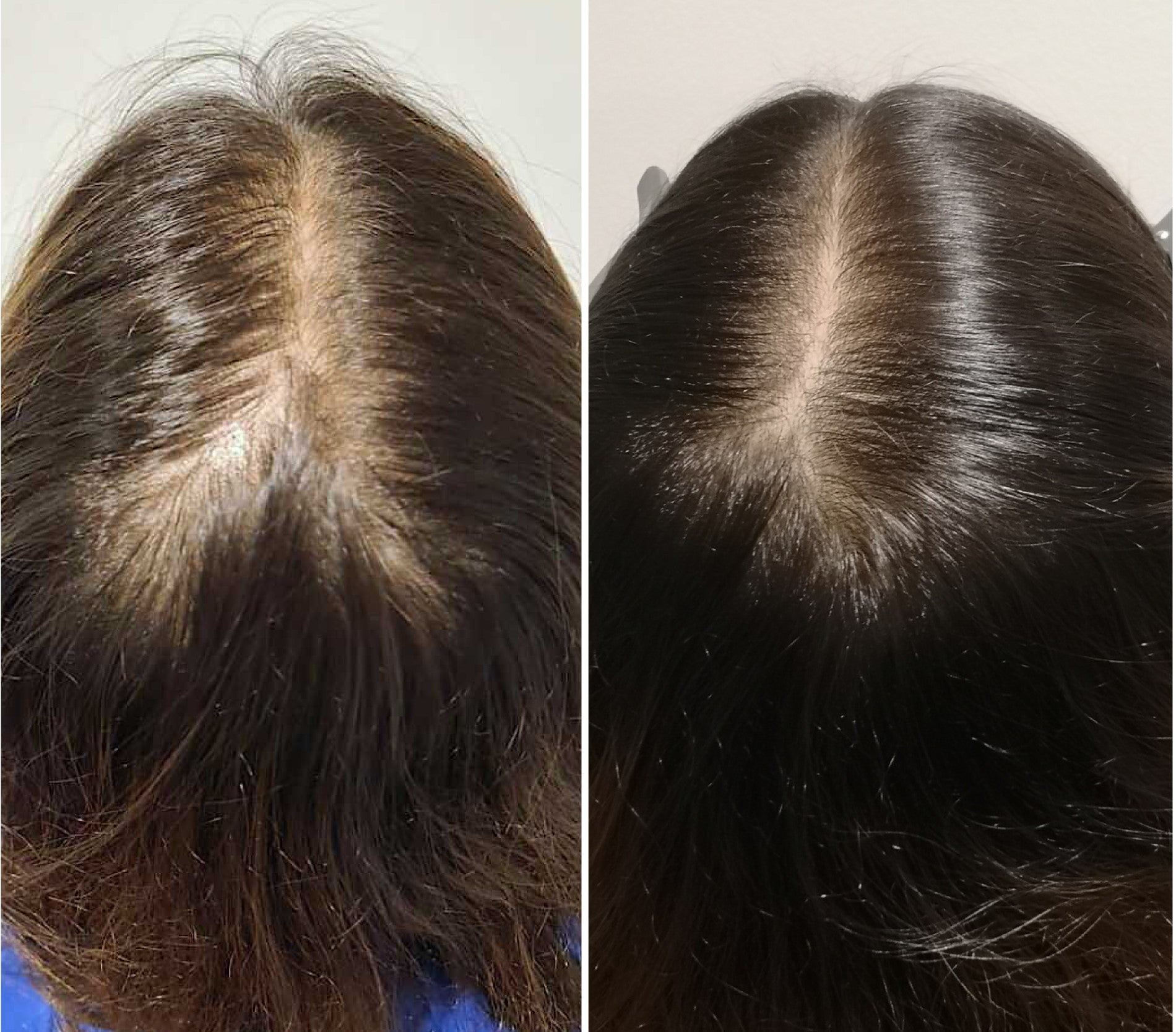
Before & Afters (single patient results, outcomes may vary)