





Surgical Scars
Surgical Scars
Skin Concerns
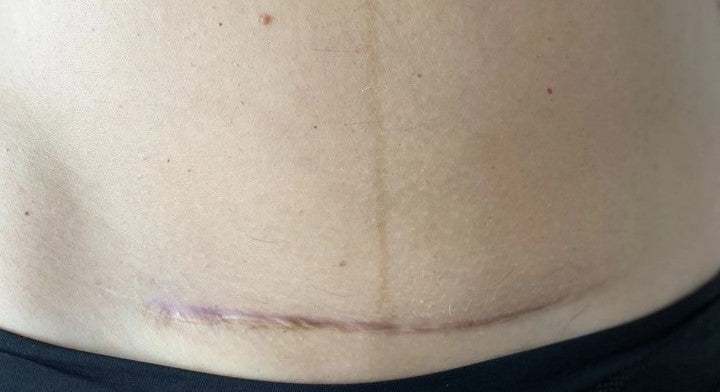
A Guide to Surgical Scars: Understanding Causes, Treatment Options, and Clinical Approaches
Surgical scars are a natural outcome of medical procedures. They result in visible changes to the skin texture or colour following the body's repair process. This guide explores the causes of surgical scars, available treatment options, and the clinical approaches used to manage their appearance.
Understanding Surgical Scars
Surgical scars form as a functional part of the body's healing process following surgical incisions or trauma. Despite precise wound closure, visible characteristics can develop due to several biological factors:
The Wound Healing Process: Inflammation, collagen synthesis, and mechanical tension on the wound influence the final appearance of the scar.
Location of the Incision: Scars located on mobile areas or regions with high skin tension, such as the joints, neck, or mid-chest, may be more prominent.
Individual Healing Factors: Genetics, age, skin type, and overall health status influence how an individual repairs tissue, which may result in variations such as raised or pigmented areas.
Causes of Surgical Scars
Several clinical factors contribute to the development of surgical scars:
Surgical Incisions: The dimensions, depth, and specific technique used during a procedure, biopsy, or medical treatment impact the healing outcome.
Wound Closure Methods: The choice of sutures, staples, or adhesive strips affects how the skin edges appose and heal.
Healing Complications: Factors such as localised infection, wound dehiscence, or excessive tension can lead to hypertrophic or keloid scar formation.
Characteristics of Surgical Scars
Surgical scars can result in various physical changes to the skin:
Visible Changes: Scars may present with altered pigmentation or surface irregularities on the skin.
Functional Considerations: In some instances, scar tissue may lead to restricted mobility or localised discomfort, particularly if the tissue contracts or adheres to underlying structures.
Patient Concerns: Individuals may seek treatment due to the prominent appearance of a scar or concerns regarding skin texture.
Treatment Options for Surgical Scars
At Beauty by Doctor, we offer clinical treatments focused on addressing the texture and pigment of surgical scars:
UltraClear: This cold fibre laser technology is used to address scar tissue. The process aims to support skin quality by stimulating the body's natural restorative processes while managing thermal impact on surrounding tissue.
CO2 Laser Therapy: This ablative technology targets specific layers of scar tissue to encourage skin resurfacing and a change in tissue characteristics.
IPL Therapy: Intense Pulsed Light (IPL) is used to address excess pigment within a scar, focusing on evening the skin tone in the affected area.
Intralesional Injections: The use of specific medical agents, such as corticosteroids, may help manage the height and firmness of hypertrophic or keloid scars by addressing localised inflammation.
Clinical Management at Beauty by Doctor
We provide a structured approach to scar management:
Clinical Evaluation: Each scar is assessed based on its maturity, size, location, and specific characteristics to determine suitability for treatment.
Personalised Treatment Plans: A structured plan is developed based on individual assessment and patient concerns.
Clinical Support: Our team provides guidance from the initial assessment through to post-treatment reviews to monitor the healing progress.
Surgical scars are a common concern following medical interventions. At Beauty by Doctor in Bondi Junction, we provide clinical options to manage the appearance and texture of these areas.
Suitability for treatment is determined during consultation. All medical and cosmetic procedures carry risks, and outcomes vary between individuals. While complications are uncommon, it is important that potential risks, including rare adverse events, are understood. For more information, please refer to our Treatment Complications page: https://beautybydoctor.com/pages/concerns/treatment-complications