





LED Therapy
Laser
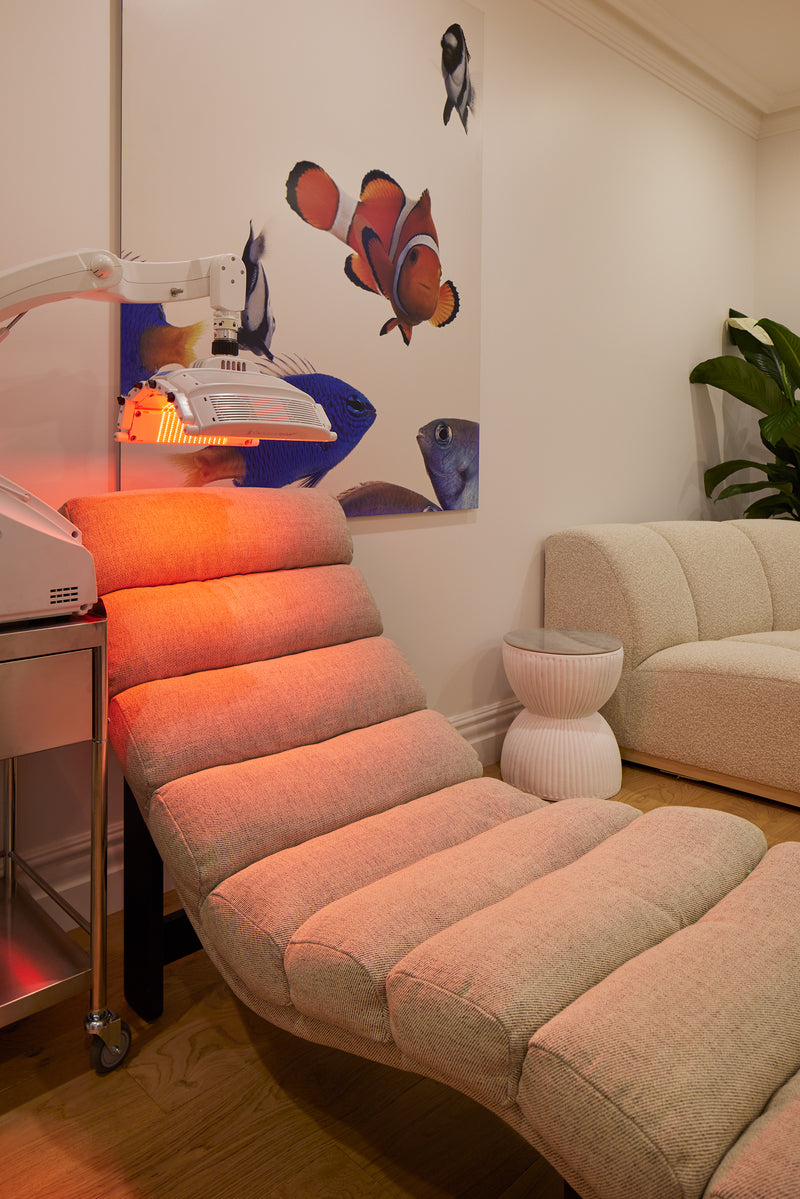
LED (Light Emitting Diode) therapy is a light-based skin treatment that uses specific wavelengths of light to support skin function and address a range of skin concerns. Beauty by Doctor (BBD), a doctor-led clinic in Bondi Junction, offers LED light therapy for patients seeking support for skin clarity, recovery, and overall skin health.
Understanding Light and Its Role in Skin Treatments
Light energy exists across a broad spectrum, including sunlight, ultraviolet light, infrared light, and visible light. When passed through a prism, visible light separates into a spectrum of colours, each with different wavelengths and energy levels.
These differences in wavelength and intensity determine how light interacts with the skin. In clinical settings, specific wavelengths can be selected to target particular structures within the skin, supporting various biological processes depending on the treatment goal.
How Does LED Light Therapy Work?
The principles behind LED therapy were first explored in research settings, where certain wavelengths of light were observed to influence cellular activity. In aesthetic medicine, LED therapy is used to support natural cellular processes within the skin.
Research into LED light therapy has demonstrated that specific wavelengths may support cellular energy production through stimulation of mitochondrial activity and ATP production. It may also influence enzymes involved in collagen breakdown, including matrix metalloproteinases, and interact with multiple structures within the dermis beyond collagen and elastin.
LED devices used in clinical practice deliver controlled light energy across a range of wavelengths, typically between 400nm and 700nm, depending on the treatment settings. LED light therapy has been TGA-approved for skin treatments since 2003 and is commonly used as part of treatment plans addressing concerns such as acne, pigmentation, uneven skin tone, and overall skin quality.
LED Light Colours and Their Clinical Applications
Different wavelengths of LED light are used depending on the concern being treated. Red light, typically in the range of 623–630nm, is used in treatment plans focused on supporting collagen production and skin repair processes.
Blue light, typically around 415–423nm, is commonly used in acne-focused treatments and targets acne-causing bacteria while supporting reduction in inflammation.
Near infrared light, around 830nm, penetrates deeper into the skin and is often used to support wound healing, reduce visible redness, and assist recovery following other treatments.
Green light, approximately 523nm, targets melanocyte activity and may be used in treatment plans addressing pigmentation and uneven skin tone.
Violet light, around 400nm, combines properties of red and blue light and may be used in acne-related concerns and redness.
Yellow light is often used in treatment plans focused on redness and skin recovery, with additional support for circulation.
Cyan light, approximately 490nm, is a combination wavelength that may be used in treatment plans addressing both acne and pigmentation concerns.
White light, spanning a broad spectrum from 400–700nm, penetrates multiple layers of the skin and may support overall cellular activity and skin renewal.
At BBD, different wavelengths may be used alone or in combination, depending on your treatment plan.
What Areas Can Be Treated?
LED light therapy is commonly used on the face, but it can also be used on other areas of the body, including the neck, chest, back, arms, and legs.
What to Expect During a Session
LED light therapy sessions are generally performed in clinic and typically last around 20 minutes per area. Treatment sensation varies between individuals, although many patients find the treatment comfortable. Protective eyewear may be provided where appropriate.
Some patients notice visible changes after a session, while others require a series of treatments depending on their skin concerns and treatment goals.
Aftercare and Downtime
Recovery following LED light therapy is usually minimal, and many patients return to usual activities shortly afterwards. Aftercare generally includes sun protection and a simple skincare routine, as advised by your practitioner.
Number of Sessions and Results
The number of LED light therapy sessions recommended will vary depending on the area being treated, the concern being addressed, and your treatment goals. Some patients notice changes after one session, while others may benefit from a course of treatment over several weeks.
BBD also offers membership options that include ongoing LED treatments for patients incorporating LED therapy into their longer-term skin plan.
Cost of LED Light Therapy
LED light therapy is available at $50 per session. For patients incorporating LED into their ongoing skin plan, treatments can also be accessed through our Luminary Club membership, which includes unlimited LED sessions as part of your selected membership tier.
Why Choose Beauty by Doctor (BBD)?
Our Bondi Junction clinic is staffed by qualified medical professionals who provide doctor-led aesthetic treatments. LED light therapy can be incorporated into a personalised treatment plan based on your skin concerns, treatment history, and clinical assessment.
If you would like to learn more about LED light therapy, contact Beauty by Doctor to arrange a consultation.