





Menopausal Hair Loss
Menopausal Hair Loss
Hair Loss

Menopausal hair loss, medically referred to as hormonal alopecia, is a common presentation among women over 40, particularly during perimenopause and menopause. Unlike temporary shedding or general thinning, this type of hair loss is primarily influenced by hormonal changes that occur as part of the natural ageing process.
Understanding Menopausal Hair Loss: Causes, Changes, and Treatment Options
Hair thinning during perimenopause or menopause may begin gradually and become more noticeable over time. Understanding the underlying causes and physiological changes can assist in guiding appropriate management strategies. For individuals experiencing hair thinning in Sydney’s Eastern Suburbs, medically supervised treatment options are available following clinical assessment.
What is Menopausal Hair Loss?
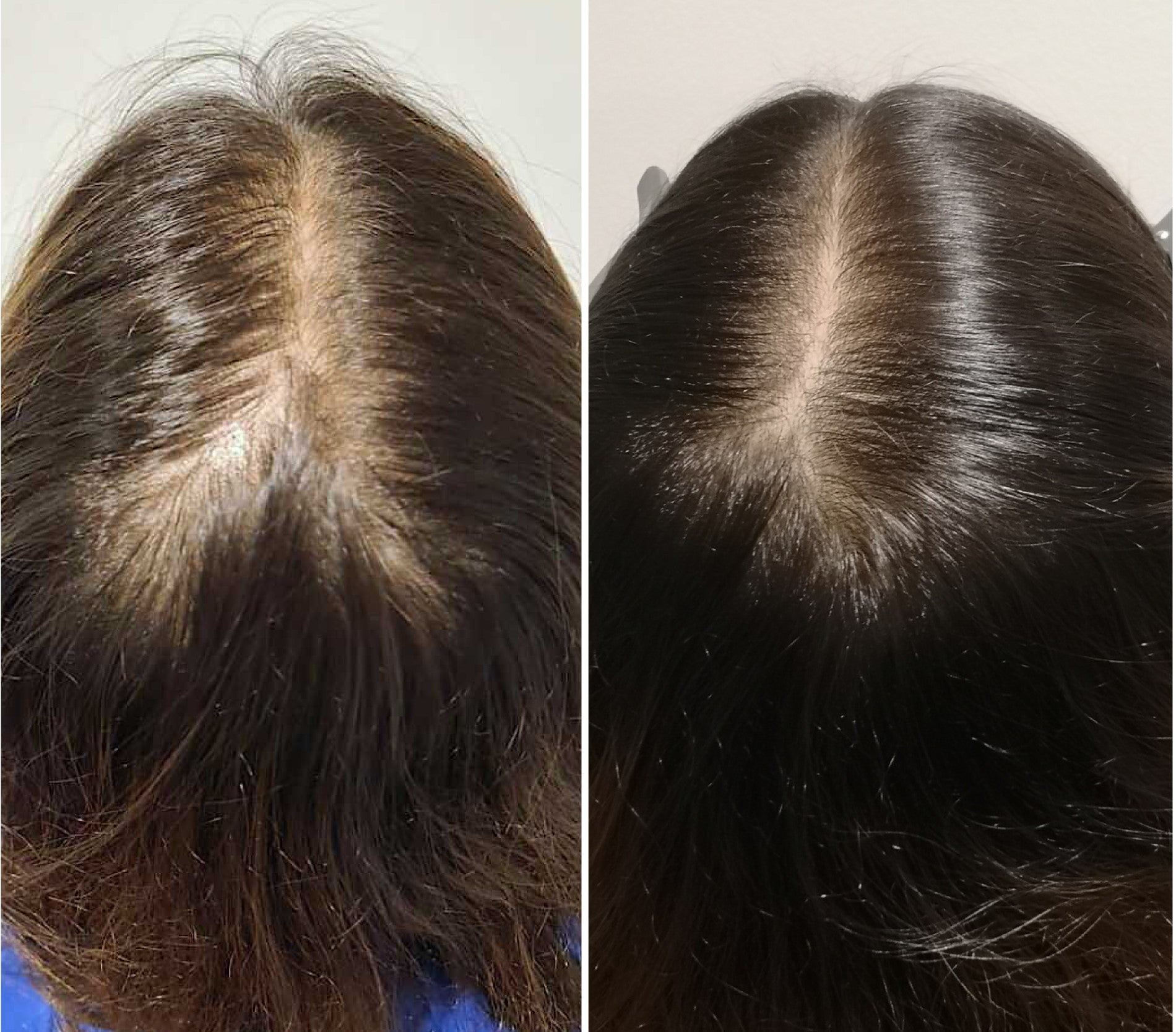
Menopausal hair loss refers to thinning or shedding associated with hormonal changes during perimenopause and menopause. Unlike androgenetic hair loss in men, which often follows a defined pattern, menopausal hair loss typically presents as diffuse thinning across the scalp, particularly along the parting line and crown.
It is estimated that a significant proportion of women notice changes in hair density during this stage of life, often beginning in the mid-to-late 40s or early 50s. Progression varies between individuals.
What Causes Menopausal Hair Loss?
Menopausal hair loss is influenced by several factors, including hormonal, genetic, and environmental contributors.
Hormonal fluctuations play a central role. Declining oestrogen and progesterone levels may increase the relative influence of androgens such as dihydrotestosterone (DHT), which can contribute to follicular miniaturisation in susceptible individuals.
Genetic predisposition may influence how hair follicles respond to hormonal changes. A family history of hair thinning can increase the likelihood of similar patterns.
Stress and lifestyle factors, including nutritional deficiencies and systemic health changes, may also contribute to increased shedding or reduced hair density.
Physiological Changes During Menopausal Hair Loss
Several biological changes occur within the scalp and hair follicle during this process.
Follicular miniaturisation may result in shorter growth phases, increased shedding, and finer hair strands.
Low-grade scalp inflammation may affect follicular function and hair cycling.
Reduced scalp microcirculation may impact the delivery of oxygen and nutrients required for hair growth.
Changes in growth factor signalling may alter the balance required for maintaining healthy follicular activity.
What Signs Should You Look For?
Early identification may assist in guiding appropriate management.
Diffuse thinning across the scalp may become noticeable, particularly around the parting line.
A gradual widening of the part may occur.
Increased shedding may be observed during washing or brushing.
Overall hair volume may appear reduced.
Treatment Approaches for Menopausal Hair Loss
Management of menopausal hair loss often involves a multi-modal approach tailored to the individual following clinical assessment.
At Beauty by Doctor in Bondi Junction, Sydney, treatment plans are developed based on individual presentation, medical history, and treatment goals.
Calecim® Professional Hair Treatment
Calecim® Professional is a topical formulation containing proteins, growth factors, and cytokines derived from umbilical cord lining cells. This treatment is used as part of a broader approach to support scalp and follicular health.
Microneedling for the Scalp
Microneedling involves the use of fine needles to create controlled microchannels within the scalp. This process may support the body’s natural healing response and facilitate the delivery of topical formulations.
LED Light Therapy
LED therapy utilises specific wavelengths of light to support scalp health. It may assist in reducing inflammation and supporting cellular activity within the scalp environment.
Prescription Hair Medications
Following medical consultation, prescription treatments may be considered where clinically appropriate. These are tailored to the individual and may target underlying contributors to hair thinning.
Ongoing Maintenance
Menopausal hair loss is typically a progressive condition. Ongoing management may be recommended to maintain results over time. This may include periodic in-clinic treatments and at-home care as advised during consultation.
Frequently Asked Questions
How soon may changes be noticed?
Changes in hair texture and shedding patterns may be observed within several weeks for some individuals. More noticeable changes in density may take several months. Outcomes vary between individuals.
Is scalp microneedling uncomfortable?
Sensation during treatment varies. Measures may be used to support comfort where appropriate.
Who may be suitable for treatment?
Individuals experiencing hair thinning during perimenopause or menopause may be considered. Suitability is determined during consultation.
Are results permanent?
Hair loss associated with menopause is typically ongoing. Maintenance treatment may be required to support sustained outcomes.
Consultation for Hair Loss Assessment
A consultation allows for assessment of scalp and hair concerns, discussion of contributing factors, and development of a personalised management plan.
Suitability for treatment is determined during consultation. All medical and cosmetic procedures carry risks, and outcomes vary between individuals. While complications are uncommon, it is important that potential risks, including rare adverse events, are understood. For more information, please refer to our Treatment Complications page: https://beautybydoctor.com/pages/concerns/treatment-complications