






Reducing Skin Cancers with Photodynamic Therapy (PDT) in Bondi Sydney
5 minute read.

Discover how Photodynamic Therapy (PDT) at Beauty by Doctor in Bondi Junction, Sydney, helps reduce the risk of skin cancer by treating pre-cancerous lesions like solar keratosis. This innovative treatment also rejuvenates skin, targeting sun damage, acne, pigmentation, and fine lines for healthier, radiant skin. Learn why PDT is ideal for those with extensive sun exposure or a family history of skin cancer.
Photodynamic Therapy (PDT) for Skin Health in Bondi Sydney
Discover how Photodynamic Therapy (PDT) at Beauty by Doctor in Bondi Junction, Sydney, is used to manage pre-cancerous lesions such as solar keratosis. This clinical treatment addresses skin quality, targeting sun damage, certain types of acne, pigmentation, and fine lines to support skin health. PDT is often considered by those with significant sun exposure or a family history of skin cancer.
Photodynamic Therapy (PDT) is a clinical treatment combining a photosensitising agent with light activation to address skin texture, tone, and overall health. Initially developed for medical purposes, particularly the management of pre-cancerous lesions like solar or actinic keratosis, PDT is utilised to address abnormal skin cells. It is also used in a cosmetic context to address changes in skin quality and various cutaneous concerns.
What Does Photodynamic Therapy Set Out to Achieve?
PDT is a proactive treatment for individuals with significant sun exposure or a family history of skin cancer, assisting in the management of abnormal cell formation. Additionally, Photodynamic Therapy can be used to address skin quality and concerns such as:
Sun damage and pigmentation
Fine lines
Acne and acne scars
Facial redness
Appearance of enlarged pores
PDT focuses on promoting skin health by targeting these specific areas of concern.
How Can PDT Help Manage Skin Cancer Risks?
Australia has one of the highest rates of skin cancer in the world, with approximately two in three Australians being diagnosed with skin cancer by the age of 70. Prolonged sun exposure, particularly during childhood, increases the risk of skin changes. PDT targets specific pre-cancerous lesions, such as solar keratoses, which may develop into malignant skin cancers. For those who spent significant time in the sun or have a family history of skin cancer, PDT offers a clinical approach to skin health management.
What Outcomes Are Associated with Photodynamic Therapy?
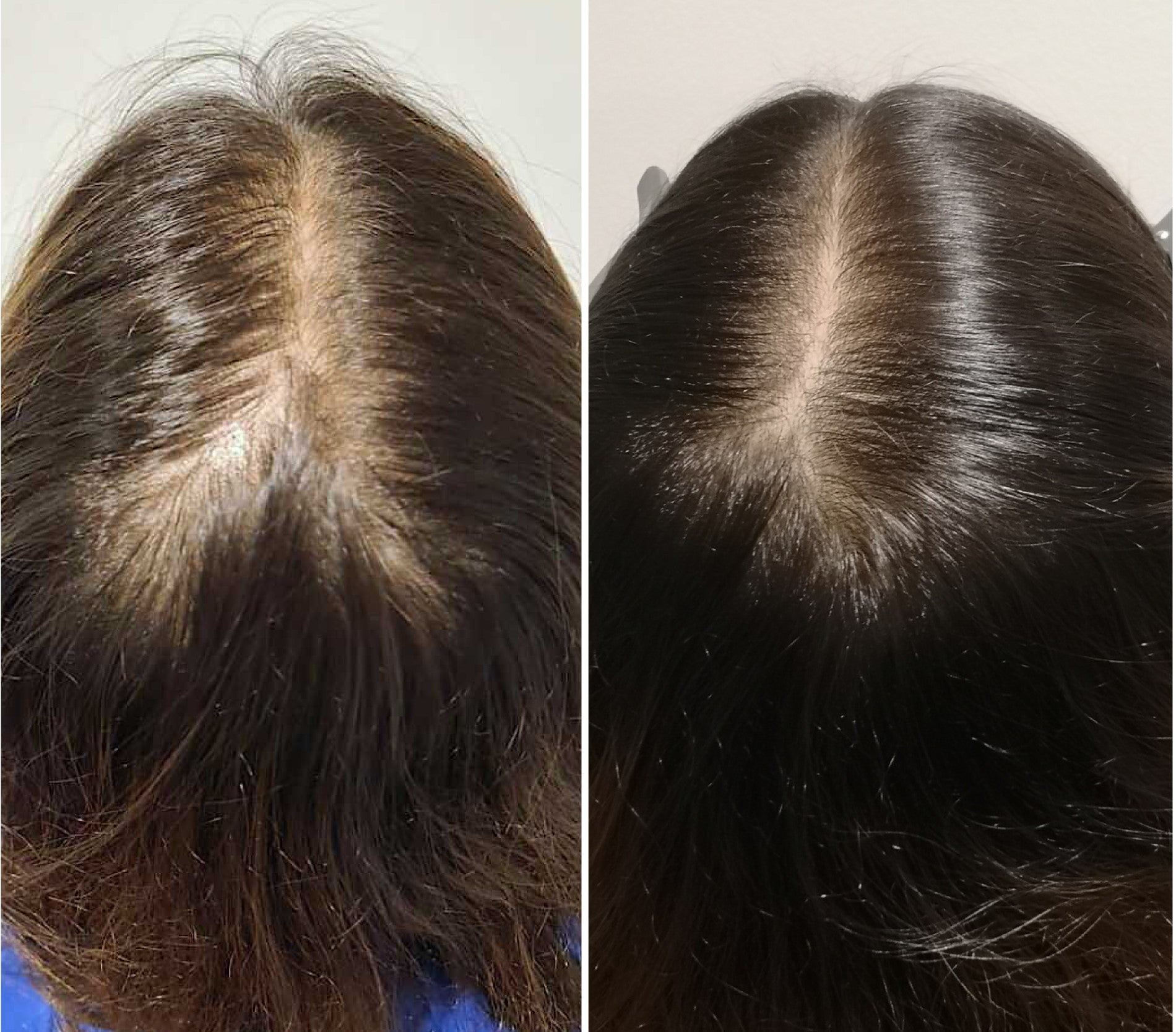
Patients may observe smoother skin with a change in the appearance of fine lines, pigmentation, and redness.
For acne-prone skin, PDT may assist in managing breakouts by targeting sebaceous glands and relevant bacteria.
When used for pre-cancerous lesions, PDT is an established method for reducing the presence of these lesions.
The degree of change and the timeframe for visible improvements vary between individuals.
How Does Photodynamic Therapy Work?
PDT involves applying a photosensitising agent (such as aminolevulinic acid or methyl aminolevulinate) to the skin. This agent selectively accumulates in damaged or abnormal skin cells. When exposed to a specific wavelength of light, the agent activates, treating these cells and supporting the skin's natural regenerative processes. This dual action addresses skin quality and helps manage the progression of certain skin conditions.

How Does Photodynamic Therapy Address Skin Concerns?
PDT addresses skin health by:
Targeting damaged cells: The photosensitising agent allows for a focused clinical application.
Supporting skin structure: The light-activated process interacts with the skin to support structural integrity and skin quality.
Managing inflammation: PDT is used for conditions characterised by facial redness and irritation, such as rosacea or acne.
Treating pre-cancerous cells: By targeting solar keratoses, PDT manages their presence on the skin.
What Can I Expect During My Photodynamic Therapy Treatment?
During treatment, the photosensitising agent is applied to the skin and left to absorb for a period of time, often up to three hours. Following absorption, the skin is exposed to a specialised light source. Discomfort levels vary between individuals depending on the area being treated and the extent of skin damage. Some patients experience a tingling or warming sensation, while others may require clinical comfort management options, which can be discussed during your consultation.
How Long Does a Photodynamic Therapy Treatment Take?
A PDT session typically involves approximately 90 minutes of clinical time. This includes application, the absorption period, and the light activation phase. For treatments targeting more extensive sun damage or pre-cancerous cells, longer application times may be required based on clinical assessment.
What Is the Recovery After a Photodynamic Therapy Session, and What Aftercare Is Required?
Recovery varies between individuals. For skin quality applications, redness or peeling may be present for several days. When treating more extensive sun damage, recovery may extend to approximately one week. Aftercare includes:
Avoiding direct sunlight and using high-SPF sunscreen.
Maintaining skin hydration in the treated area.
Avoiding certain active skincare products for a period advised by your practitioner.
How Many Photodynamic Therapy Treatments are Required?
The number of treatments depends on the individual concern being addressed. For acne-prone skin, a structured treatment plan of 2-4 sessions spaced several weeks apart is often suggested. For managing sun damage, the frequency of treatment is determined by individual assessment, often occurring every 18-36 months.
How Long After Photodynamic Therapy Will Results Be Noticed?
While some changes may be observed within a week, results typically emerge over 4-6 weeks as the skin heals and regenerates. Outcomes vary between individuals.
How Long Do the Effects of a Photodynamic Therapy Session Last?
The duration of results depends on individual skin characteristics and ongoing sun protection habits. Regular review and diligent sun safety are important for maintaining skin health.
What Is the Typical Cost of Photodynamic Therapy?
Costs vary based on the area treated and the specific skin concern. At Beauty by Doctor, a partial face treatment for sun damage starts at $660, while treatments for acne-prone skin typically start at $495. A personalised treatment plan and confirmed pricing are provided during your consultation.
Does the Whole Face Need to Be Treated, or Can Specific Areas Be Addressed?
PDT can be applied to specific areas of concern, such as localised sun damage or acne-prone regions. This allows for a personalised approach based on your clinical needs.
Why Consider Beauty by Doctor for Photodynamic Therapy?
Located in Bondi Junction, Sydney, Beauty by Doctor focuses on addressing the skin concerns of those with significant sun exposure. PDT is an option for managing pre-cancerous cell formation while also addressing skin quality concerns such as acne, fine lines, and pigmentation. Led by Medical Director Dr Phoebe Jones, our team is experienced in using this technology for clinical skin management.
Suitability for treatment is determined during consultation. All medical and cosmetic procedures carry risks, and outcomes vary between individuals. While complications are uncommon, it is important that potential risks, including rare adverse events, are understood. For more information, please refer to our Treatment Complications page: https://beautybydoctor.com/pages/concerns/treatment-complications
Introducing our Signature Skin Treatments tailored to your skin and budget.
See all treatments