





Exosomes
Skin Boosters
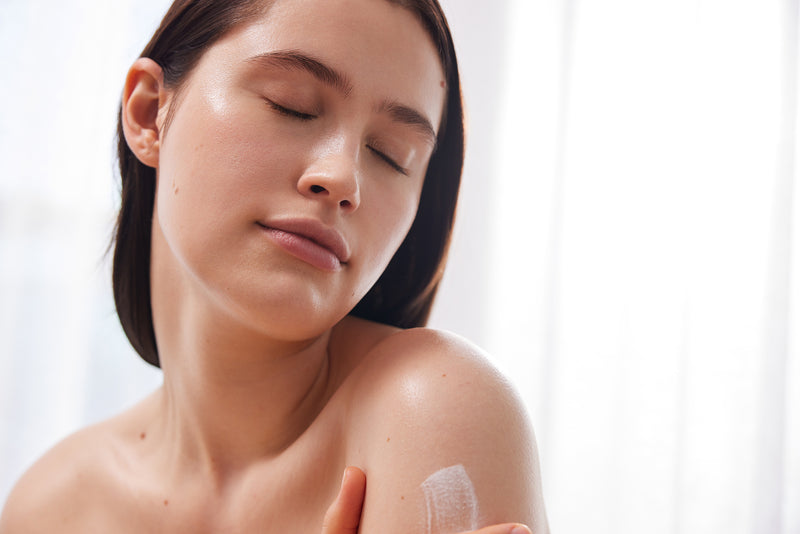
Exosome-based skin treatments are an emerging approach in aesthetic medicine, increasingly utilised in clinical settings across Sydney. This treatment involves the application of laboratory-prepared exosomes as part of a broader skin treatment protocol, often in combination with procedures such as microneedling or energy-based devices.
This approach focuses on supporting skin quality and assisting the skin’s natural regenerative processes following controlled treatment. Exosome-based treatments may be considered as part of a personalised plan for individuals seeking to address changes in skin texture, tone, or overall skin condition.
What Are Exosomes?
Exosomes are microscopic extracellular vesicles released by cells. They play a role in intercellular communication by transporting proteins, lipids, and signalling molecules between cells.
In aesthetic medicine, exosomes used in treatments are typically derived from controlled laboratory processes. These preparations are designed to deliver signalling molecules that may support skin function and recovery following procedures that create controlled micro-injury in the skin.
Exosomes are not living cells. Instead, they act as carriers of biological information that may influence how surrounding cells respond to treatment.
How Do Exosome Treatments Work?
Exosome treatments are generally applied following procedures such as microneedling, fractional laser, or radiofrequency microneedling. These treatments create controlled microchannels within the skin, allowing topical products to be absorbed more effectively.
When applied to the skin, exosomes interact with local skin cells through signalling pathways. This may support processes involved in skin repair and regeneration.
It is important to note that outcomes vary between individuals, and exosomes are typically used as an adjunct to other procedures rather than a standalone treatment.
How Exosomes Are Used at Beauty by Doctor
At Beauty by Doctor in Bondi Junction, exosomes are incorporated into selected treatment protocols to support skin recovery and overall skin quality.
They are most commonly used in combination with:
Microneedling treatments, where microchannels assist with product delivery
Fractional laser treatments, including CO2-based resurfacing approaches
Energy-based treatments such as Morpheus8 and UltraClear, where exosomes may be applied post-treatment to support the recovery phase
These combination approaches are designed to align with how the skin responds following controlled treatment, rather than relying on a single modality.
Applications of Exosome-Based Treatments
Exosome treatments may be considered across a range of clinical indications depending on individual assessment.
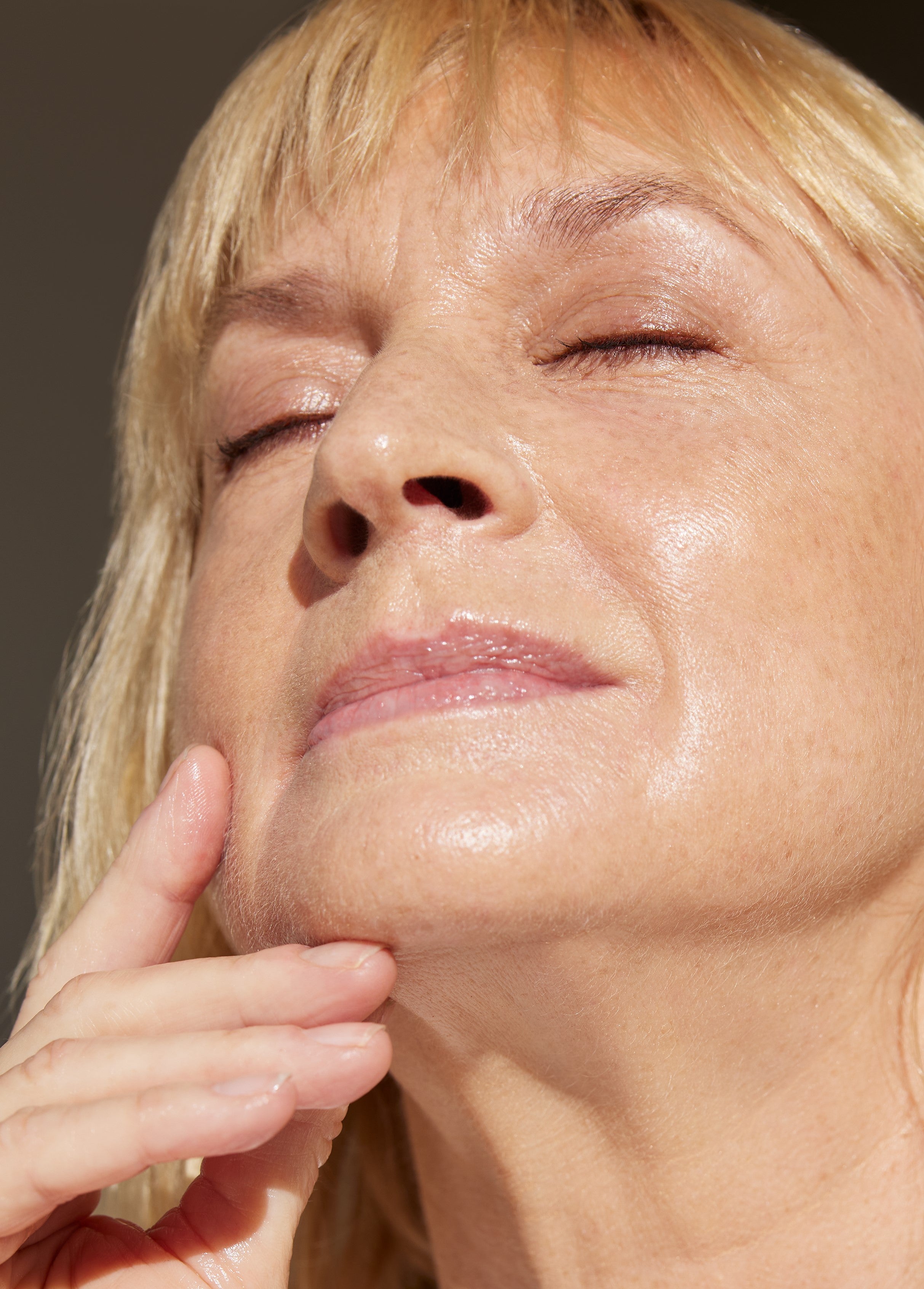
For facial skin, they are often used as part of protocols addressing uneven skin texture, changes in tone, or environmental skin damage.
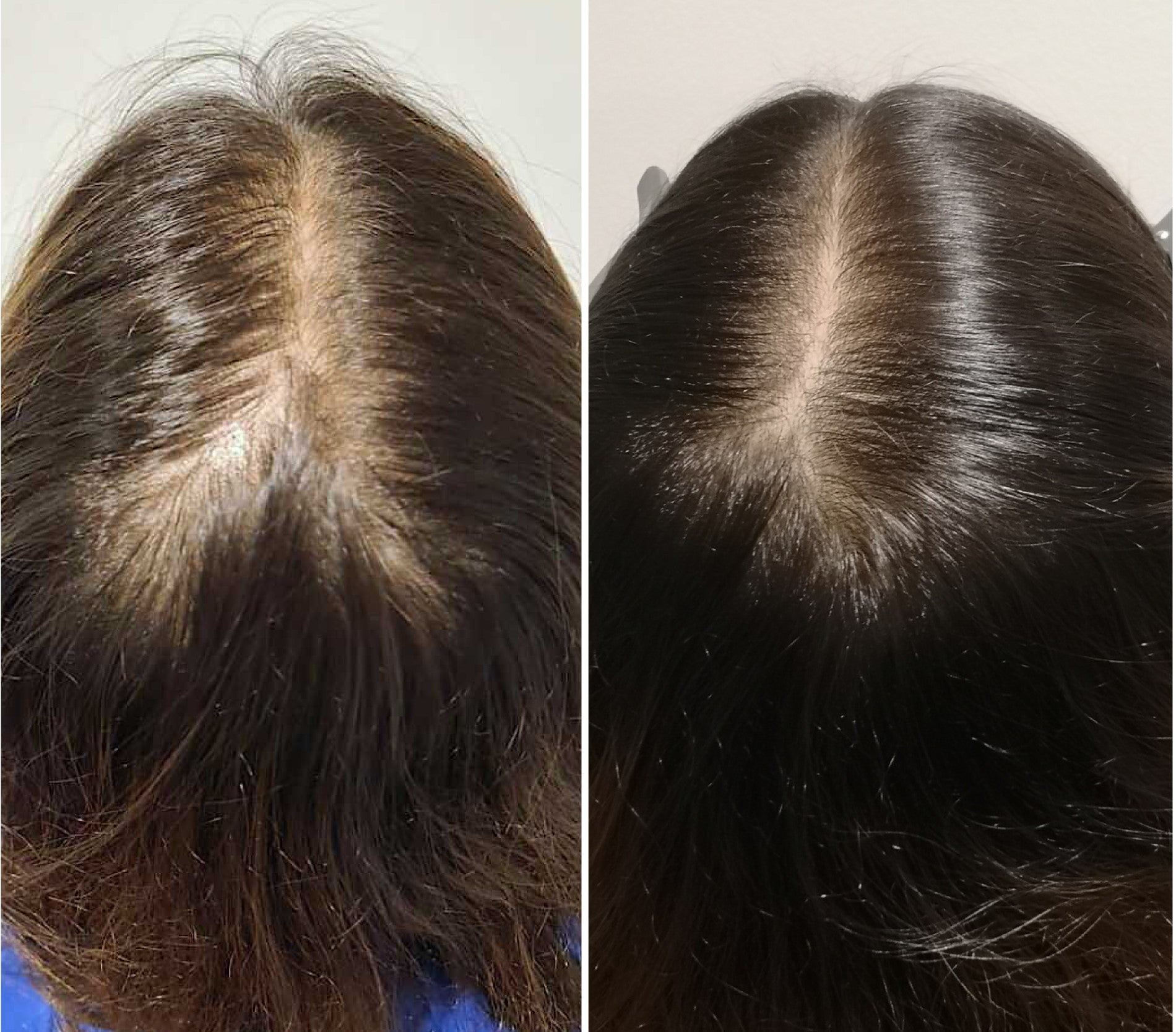
In hair-focused treatments, exosomes may be applied to the scalp following microneedling to support the treatment environment around hair follicles.
They may also be used in protocols targeting areas of scarring, where skin texture irregularities are a concern.
Suitability for these applications is determined during consultation.
Treatment Process
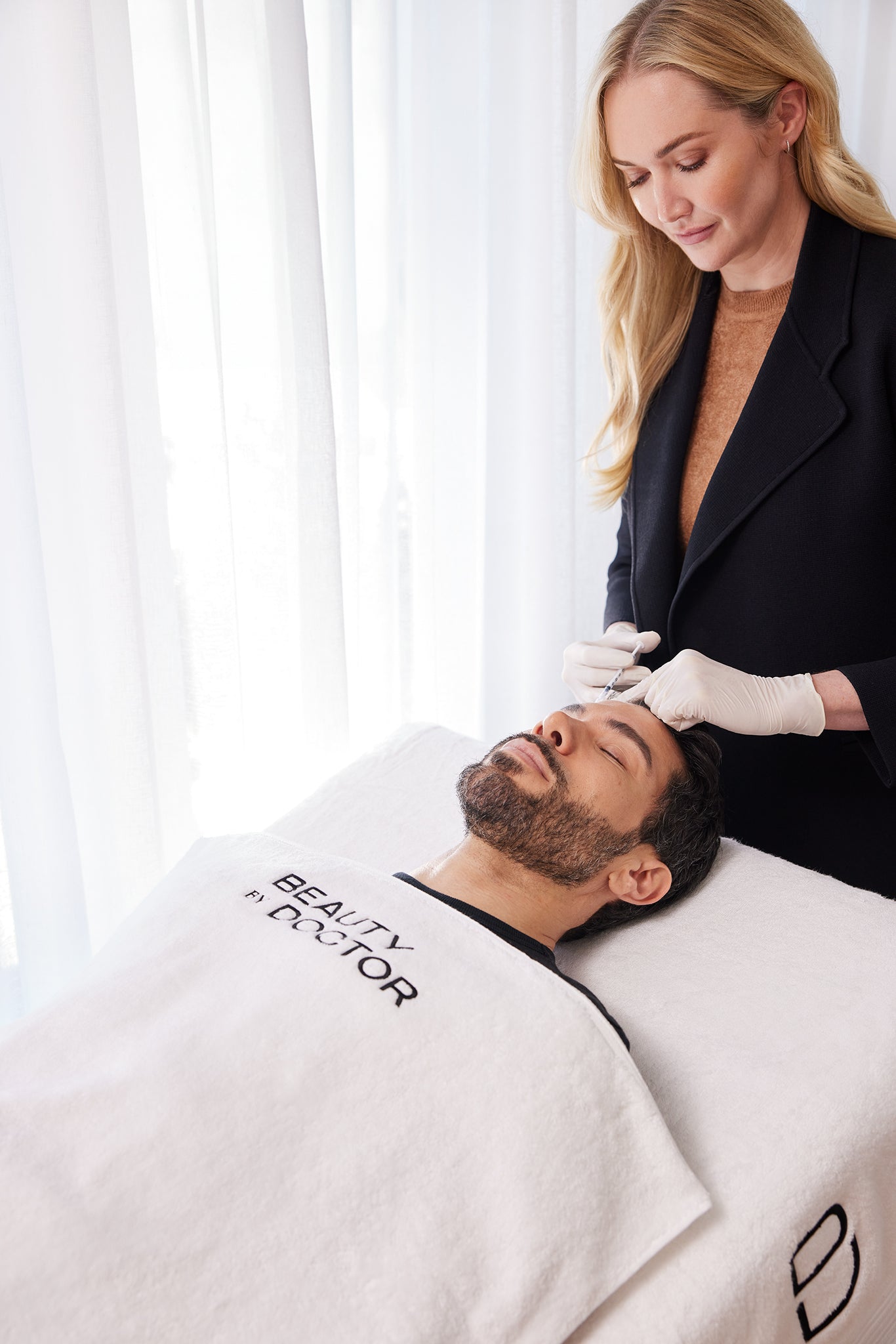
A typical exosome treatment session at Beauty by Doctor involves an initial assessment followed by a selected procedural approach.
The practitioner will determine whether microneedling, laser, or radiofrequency-based treatment is appropriate based on the patient’s skin type, concerns, and treatment goals.
Following the primary procedure, exosomes are applied topically to the treated area. The presence of microchannels within the skin allows for increased absorption.
The treatment is performed in clinic. Sensations experienced during treatment vary depending on the modality used and individual tolerance.
Recovery and Aftercare
Recovery varies depending on the primary procedure performed.
Following microneedling or laser-based treatments, patients may experience temporary redness, warmth, or mild swelling. These effects typically settle over several days.
Post-treatment care is an important component of the overall outcome. Patients are generally advised to avoid excessive sun exposure, follow practitioner-guided skincare recommendations, and use appropriate sun protection.
The practitioner will provide tailored aftercare instructions based on the treatment performed.
Treatment Frequency
The number of sessions recommended varies depending on the treatment plan.
In many cases, a course of treatments spaced approximately 4 to 6 weeks apart may be suggested. This allows time for the skin to respond between sessions.
Maintenance treatments may be considered depending on individual goals and response.
Cost of Exosome Treatments
At Beauty by Doctor, microneedling treatments incorporating exosomes are available from $299 per session.
Exosomes may also be added to selected treatments such as laser or radiofrequency procedures from $99.
A personalised treatment plan, including frequency and modality selection, is discussed during consultation.
Combination Treatments and Modality Stacking
Exosomes are rarely used in isolation. Instead, they are commonly incorporated into a broader treatment strategy.
This may include combinations such as:
Microneedling with exosomes to support skin recovery
Laser resurfacing followed by exosome application
Radiofrequency microneedling combined with topical exosome delivery
This approach allows for multiple mechanisms of action within a single treatment plan, addressing skin quality through both procedural and topical pathways.
Important Considerations
Exosome treatments are not suitable for all individuals.
A consultation is required to assess medical history, current medications, and skin condition before proceeding.
Patients who are pregnant, breastfeeding, or have certain medical conditions may not be suitable candidates.
All treatments are performed following clinical assessment and practitioner guidance.
FAQ
What is the difference between exosomes and PRP?
Exosomes are laboratory-prepared vesicles containing signalling molecules, whereas platelet-rich plasma (PRP) is derived from the patient’s own blood. Both may be used in aesthetic treatments, but they differ in source, preparation, and mechanism of action.
Are exosome treatments performed on their own?
Exosomes are typically used in combination with procedures such as microneedling, laser, or radiofrequency treatments. This allows for improved delivery and integration into the treatment process.
How many sessions are usually recommended?
Treatment plans vary. A series of sessions spaced several weeks apart is commonly recommended, depending on individual assessment and response.
Is there downtime after treatment?
Recovery depends on the primary procedure performed. Some treatments may involve mild redness or swelling for a few days, while others may require longer recovery periods.
Can exosomes be used for hair treatments?
Exosomes may be incorporated into scalp treatments alongside microneedling. Suitability depends on individual assessment.
When will I notice changes in my skin?
Skin response occurs over time following treatment. The timeframe varies depending on the procedure performed and individual skin characteristics.
Are exosome treatments suitable for all skin types?
Many skin types may be considered for exosome-based treatments, but suitability is determined during consultation.
Can exosomes be combined with other treatments?
Yes, they are commonly used alongside treatments such as microneedling, laser resurfacing, and radiofrequency devices as part of a broader treatment plan.
Suitability for treatment is determined during consultation. All medical and cosmetic procedures carry risks, and outcomes vary between individuals. While complications are uncommon, it is important that potential risks, including rare adverse events, are understood. For more information, please refer to our Treatment Complications page: https://beautybydoctor.com/pages/concerns/treatment-complications