






Hypertrophic – Keloid Scarring
Hypertrophic – Keloid Scarring
Skin Concerns
Hypertrophic and keloid scars are types of scar tissue formation that can affect physical comfort and skin texture. This guide explores the factors contributing to these scars and outlines clinical management options such as UltraClear, CO2 laser, IPL, and steroid/5FU injections.
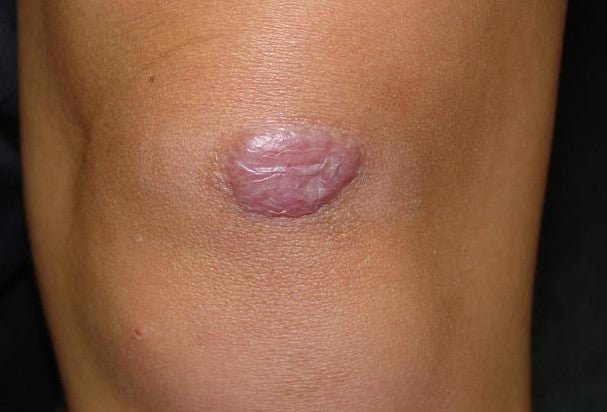
Hypertrophic and keloid scars are raised areas resulting from increased collagen production during the healing process. While they share some similarities, they have distinct clinical characteristics:
Hypertrophic Scars: These are raised, red or pink scars that remain within the boundaries of the original wound. They may be itchy or tender and can change in appearance over time.
Keloid Scars: These scars extend beyond the original wound boundaries, forming raised masses of scar tissue. They may be darker than the surrounding skin and can increase in size, causing physical discomfort.
Causes of Hypertrophic and Keloid Scarring
The development of hypertrophic and keloid scars can be influenced by several factors:
Genetics: A family history of scar tissue formation can increase the likelihood of developing similar scars.
Wound Healing Process: Factors like prolonged inflammation, wound tension, and specific wound care practices can contribute to the formation of scar tissue.
Skin Type: Certain skin tones have a higher predisposition to keloid scars, though hypertrophic scars can occur in any skin type.
Wound Location: Scars on the chest, shoulders, and earlobes are more likely to develop as hypertrophic or keloid.
Impact of Hypertrophic and Keloid Scarring
These scars can affect physical comfort and daily activities:
Physical Discomfort: Raised scars can be tender, itchy, and may restrict movement depending on their location.
Functional Limitations: Depending on their size and location, these scars can interfere with clothing choices, hairstyles, and certain physical activities.
Treatment Options for Hypertrophic and Keloid Scarring
Beauty by Doctor Bondi offers various treatment options to manage hypertrophic and keloid scars and address skin texture:
UltraClear
Utilises cold ablative laser technology to target and remodel scar tissue. The laser approach aims to address the size, thickness, and redness of the scars while managing the texture of the skin. This treatment is performed in clinic, and recovery varies between individuals.
CO2 Laser Therapy
This approach addresses the size, thickness, and redness of scars by targeting excess tissue. This process focuses on skin resurfacing to address the appearance of the scar.
IPL Laser Therapy
Intense Pulsed Light targets pigmented scar areas to address skin tone and redness. This approach is often used as part of a structured treatment plan for scar management.
Steroid Injections
Corticosteroids or 5-fluorouracil (5FU) injections are used to manage inflammation and flatten scars by addressing the collagen production within the scar tissue.
Scar Management at Beauty by Doctor
At Beauty by Doctor, we provide clinical care for hypertrophic and keloid scarring with the following focus:
Experience: Dr Phoebe Jones is experienced in aesthetic medicine, including scar management and laser therapy.
Technology: Our clinic utilises modern laser technology for clinical skin treatments.
Individual Assessment: Treatment suitability is assessed during consultation, and a personalised treatment plan is developed based on individual assessment.
Clinical Care: From consultation to post-treatment follow-up, our team offers support throughout the treatment process.
If you are seeking clinical management for hypertrophic or keloid scarring, schedule a consultation with us today to discuss your treatment options.
Suitability for treatment is determined during consultation. All medical and cosmetic procedures carry risks, and outcomes vary between individuals. While complications are uncommon, it is important that potential risks, including rare adverse events, are understood. For more information, please refer to our Treatment Complications page: https://beautybydoctor.com/pages/concerns/treatment-complications